

As a manufacturer of PET acoustic panels, it's important to provide clear guidance on how to maintain and clean these materials to ensure they retain their acoustic properties and visual appeal. One common question we receive is whether polyester acoustic panels can be cleaned with a damp cloth. The answer is yes, but there are some important considerations to keep in mind when cleaning 3D acoustic panels or flat PET acoustic panels with moisture.

Why Cleaning with a Damp Cloth Works
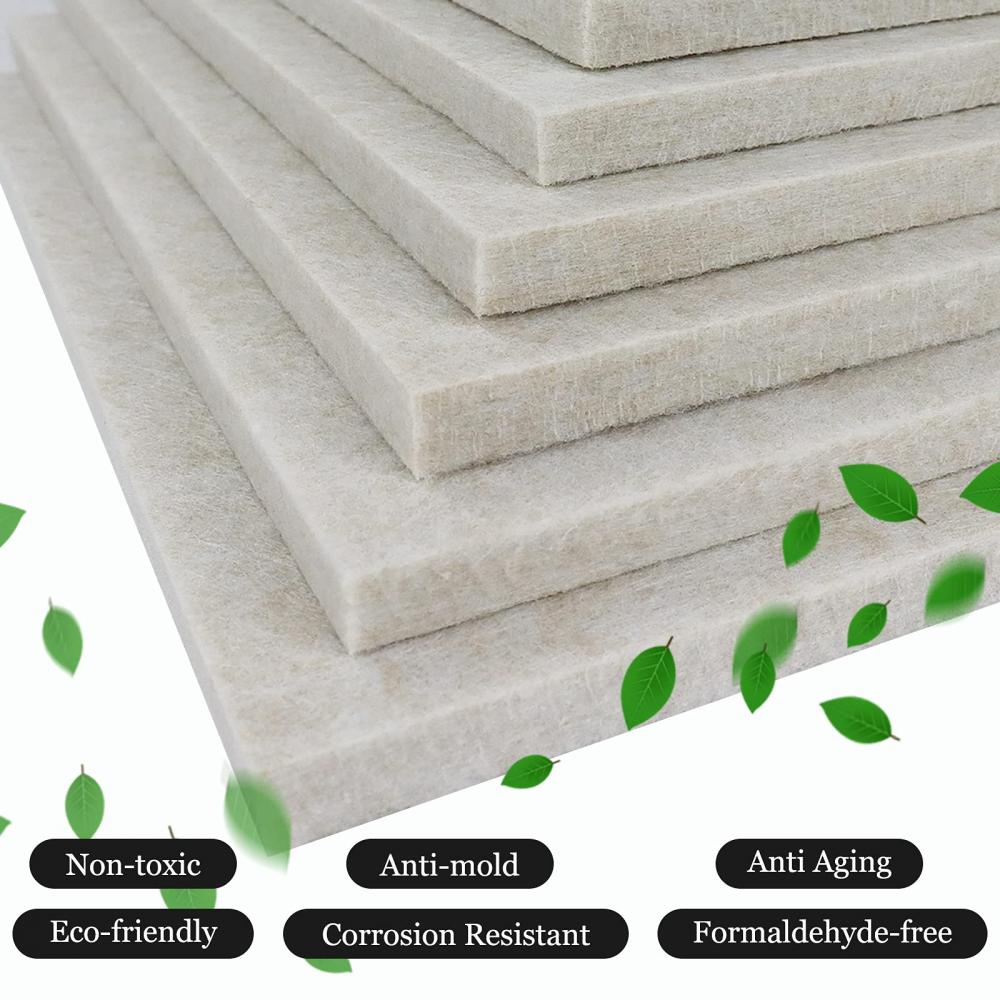
PET acoustic panels, made from recycled polyester fibers, are designed to be durable and easy to maintain. The material is resistant to moisture to some extent, which makes it possible to clean polyester acoustic panels with a damp cloth without damaging them, as long as certain precautions are followed. Cleaning with a damp cloth is a gentle way to remove dust, dirt, or stains from the surface of PET acoustic panels without disturbing their structure or performance.
Steps to Clean PET Acoustic Panels with a Damp Cloth
Use a Soft Cloth
When cleaning 3D acoustic panels or polyester acoustic panels with a damp cloth, always use a soft, microfiber cloth. Microfiber is gentle on the surface and helps to trap dirt and dust without scratching or damaging the material.
Dampen, Don’t Soak
It’s important that the cloth is only lightly damp, not soaking wet. Excess moisture can seep into the material and cause it to lose its shape or potentially promote the growth of mold and mildew. Always wring out the cloth well before using it to wipe down the PET acoustic panels
Gently Wipe the Surface
When cleaning the panels, gently wipe the surface in circular motions to lift dust and dirt. If you're cleaning 3D acoustic panels, the textured surface may trap more dirt, so be sure to move the cloth into the grooves carefully. Avoid using excessive pressure, as this can potentially alter the shape of the panels or damage the surface.
Spot Cleaning for Stubborn Stains
If there are stubborn stains or residues on the PET acoustic panels, you can lightly apply a mild soap solution to the damp cloth. Make sure the solution is very diluted to avoid any harsh chemicals coming into contact with the material. Blot the stained area gently without rubbing it, and then wipe away any excess moisture with a dry cloth.
Drying the Panels
After cleaning, allow the polyester acoustic panels to air dry naturally. Do not use heat sources, such as hair dryers or radiators, to speed up the drying process, as direct heat can cause the panels to warp or change shape. Ensure the panels are completely dry before touching them again.
Important Considerations When Using Water
While PET acoustic panels are resistant to moisture, prolonged exposure to water or excessive dampness can cause problems. It’s crucial not to soak the panels, as this could weaken the material, impact their sound absorption capabilities, or lead to mold growth if left untreated. Additionally, cleaning with too much moisture can cause discoloration over time.
Avoid Harsh Chemicals
When cleaning 3D acoustic panels or polyester acoustic panels, avoid using harsh chemicals, bleach, or solvents. These substances can degrade the fabric, causing it to lose its color or structural integrity. Stick to mild soap or detergents if a deeper clean is necessary, and always test on a small, inconspicuous area first to ensure that the cleaner does not cause damage.
Conclusion
In conclusion, PET acoustic panels can be safely cleaned with a damp cloth, but care should be taken to avoid excess moisture, which could affect the material's performance and appearance. By using a soft, lightly dampened microfiber cloth, you can maintain the cleanliness of your polyester acoustic panels while preserving their acoustic and visual properties. Regular, gentle cleaning will ensure that your 3D acoustic panels remain in optimal condition for years to come, enhancing both the acoustics and aesthetics of any space.