

As a manufacturer of PET acoustic panels, many customers inquire whether these panels can help regulate indoor humidity levels. Indoor air quality and humidity control are crucial factors in creating a comfortable and healthy living or working environment. Polyester acoustic panels are widely recognized for their ability to absorb sound, but can they also have an impact on humidity? Let’s explore the role of PET acoustic panels in maintaining indoor air quality and their potential influence on humidity.
Understanding the Material: PET Acoustic Panels
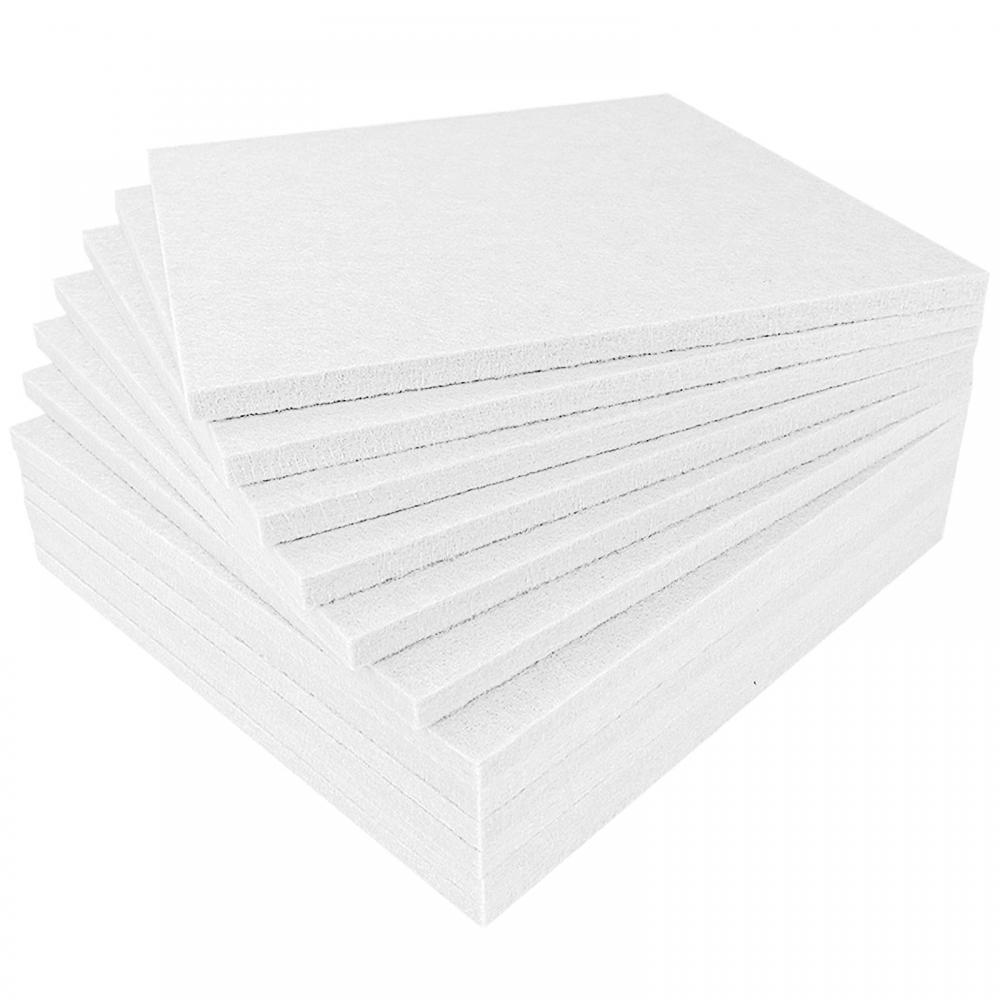
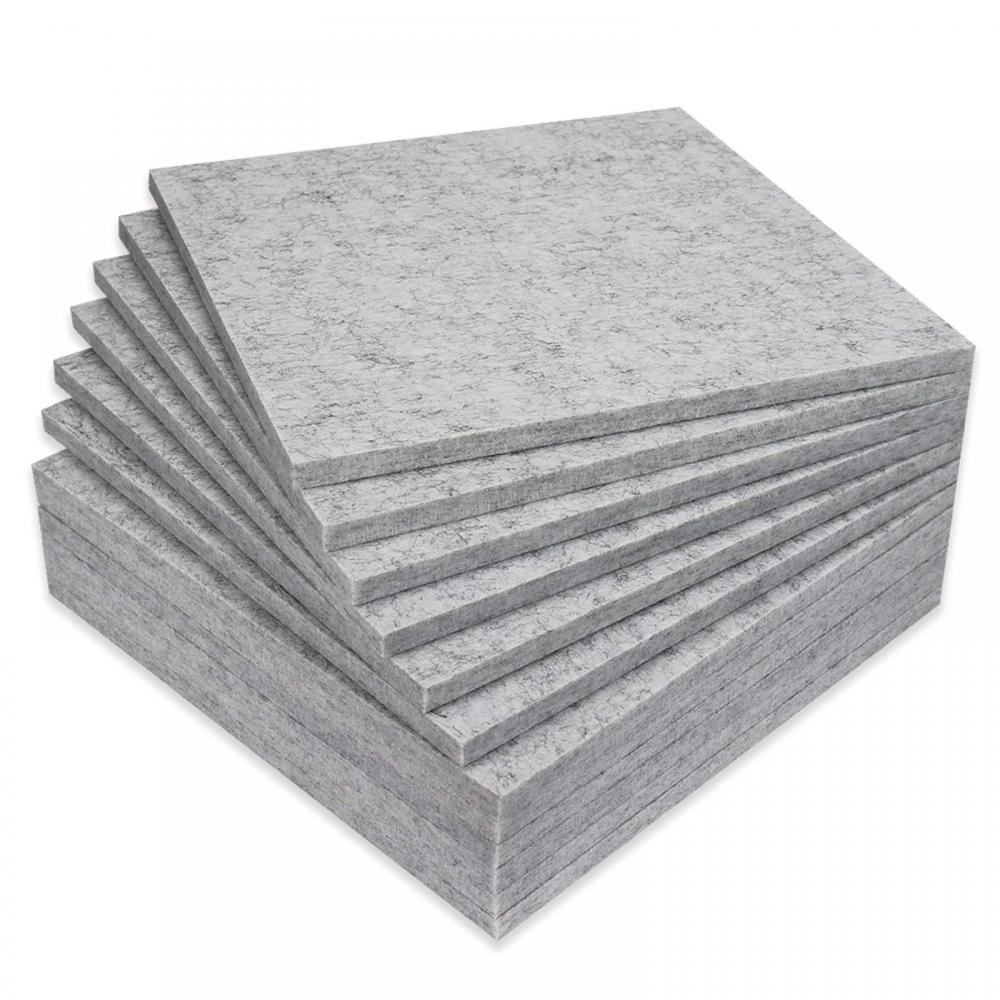
PET acoustic panels are made from recycled polyester fibers, which are designed primarily for sound absorption. The material is lightweight, durable, and highly effective at reducing noise and controlling reverberation in various spaces. These panels are often used in commercial, residential, and industrial settings to improve acoustics, but they are also praised for their sustainability and ease of maintenance.
However, when it comes to regulating indoor humidity, PET acoustic panels do not function in the same way as materials like natural wood or certain types of fabric, which are known for their hygroscopic properties (the ability to absorb and release moisture). Polyester acoustic panels, including 3D acoustic panels, are not hygroscopic, meaning they do not absorb or release moisture in response to changes in indoor humidity levels.
How PET Acoustic Panels Affect Indoor Humidity
Although PET acoustic panels do not directly regulate humidity, their material properties can have an indirect effect on the environment in which they are installed. Since polyester acoustic panels are made from synthetic fibers, they do not absorb moisture from the air, making them resistant to mold and mildew, which can thrive in high-humidity conditions. This makes PET acoustic panels a practical choice for environments where humidity levels may fluctuate, such as kitchens, bathrooms, or areas near windows with condensation.
The non-absorbent nature of PET acoustic panels means they will not trap moisture within their structure, reducing the likelihood of mold or mildew buildup, which can be a common issue in high-humidity spaces. However, while they can help maintain the structural integrity of the material in varying humidity conditions, they do not actively "regulate" or alter the humidity in a room.
Best Practices for Humidity Control
To effectively regulate indoor humidity, it is recommended to use a combination of techniques and tools, including:
· Dehumidifiers: These devices are designed to reduce moisture levels in the air, improving comfort and air quality.
· Proper Ventilation: Ensuring adequate airflow through windows, vents, or exhaust fans helps reduce excess moisture in the air.
· Humidity-Resistant Materials: If managing humidity is a key concern in your space, consider pairing PET acoustic panels with other materials that have moisture-regulating properties, such as certain types of wood or hygroscopic fabrics.
The Role of PET Acoustic Panels in Indoor Air Quality
While PET acoustic panels do not directly control humidity, they do contribute to overall indoor air quality. By reducing echo and improving sound clarity, they enhance the acoustics of a space, making it more comfortable and conducive to communication. Additionally, because they are made from recycled materials, polyester acoustic panels offer a sustainable option for environmentally conscious consumers.
In spaces with high moisture or condensation, such as basements or bathrooms, PET acoustic panels are a suitable choice because they will not absorb moisture, which can lead to mold or mildew growth. This contributes to a cleaner and healthier environment, but for active humidity control, complementary solutions like dehumidifiers and proper ventilation should still be utilized.
Conclusion
In summary, PET acoustic panels are an excellent choice for improving acoustics and maintaining the aesthetic appeal of a space, but they do not regulate indoor humidity directly. While they are resistant to moisture buildup and mold growth, they do not have the ability to absorb or release moisture. For optimal humidity control, it is recommended to use additional measures like dehumidifiers and proper ventilation alongside polyester acoustic panels. By combining these strategies, you can create a comfortable, acoustically optimized environment with balanced humidity levels.