

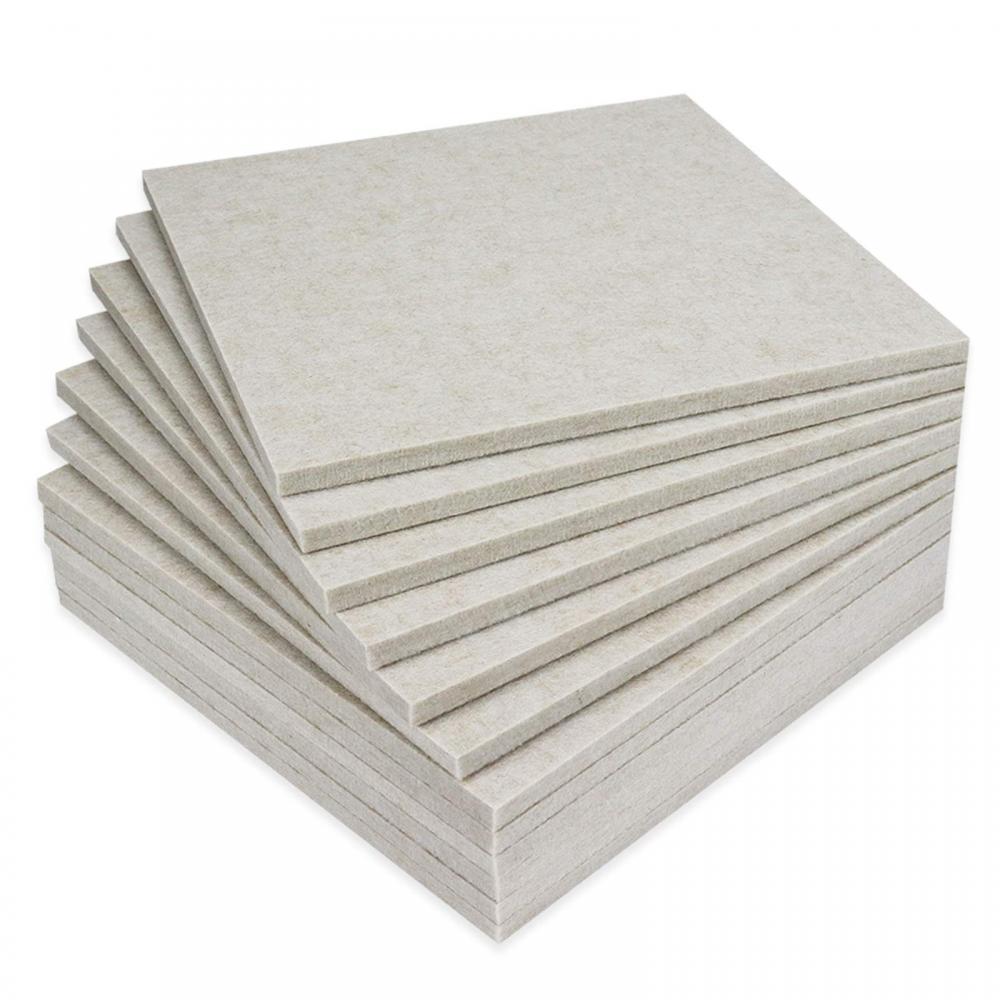
Cleaning and maintaining PET acoustic panels is an essential part of ensuring their longevity and continued acoustic performance. Over time, dust and debris can accumulate on the surface of polyester acoustic panels, affecting both their aesthetic appeal and sound absorption capabilities. Fortunately, cleaning PET acoustic panels is relatively simple, and with the right techniques, you can restore them to their original condition without damaging the material.
Why Regular Cleaning is Important
Dust and dirt on polyester acoustic panels can impact their performance, as particles may clog the pores of the material, reducing its ability to absorb sound effectively. Additionally, accumulated dust can lead to the panels appearing dull and worn, especially in high-traffic areas or spaces with HVAC systems. Regular cleaning ensures that your PET acoustic panels maintain their optimal acoustic properties and continue to enhance the visual appeal of your space.
Basic Dusting Techniques
The simplest and most effective way to remove dust from 3D acoustic panels or flat PET acoustic panels is by using a soft cloth or microfiber duster. These tools help capture and lift dust particles without damaging the surface or causing any abrasions. A soft microfiber cloth is ideal, as it attracts dust and holds it, preventing it from simply moving around or being pushed deeper into the material.
To dust your polyester acoustic panels, gently wipe or dust the surface in a circular motion, starting from the top and working your way down. This ensures that any dust that falls from higher areas is removed without redistributing it back onto already-cleaned sections.
Using a Vacuum Cleaner
For more thorough cleaning, especially in areas with heavy dust accumulation, using a vacuum cleaner with a soft brush attachment is an excellent option. The brush attachment is gentle on the PET acoustic panels and allows you to reach into the textured surface of 3D acoustic panels, where dust can settle more easily. Set the vacuum to its lowest suction setting to avoid damaging the panels or pulling on the fabric.
Be sure to gently move the brush across the surface, avoiding harsh scrubbing, which could cause the panels to stretch or lose their shape. Vacuuming helps remove larger dust particles and dirt that may not be captured by a dry cloth or duster.
Spot Cleaning Stains or Residues
If your PET acoustic panels have accumulated sticky substances, oils, or stains, spot cleaning may be necessary. For this, lightly dampen a soft cloth with water or a mild soap solution. Avoid using excessive water, as this can damage the panels or promote the growth of mold or mildew. Gently blot the stained area—do not rub it—to lift the residue from the surface.
Once the stain is removed, use a clean, dry cloth to blot the area and absorb any excess moisture. Allow the polyester acoustic panels to air dry naturally, away from direct heat or sunlight, which could cause warping or fading.
Avoid Harsh Cleaning Chemicals
When cleaning PET acoustic panels, it's important to avoid using harsh chemicals, abrasive materials, or solvents that could damage the fabric or affect the panel’s acoustic properties. Strong chemicals can break down the fibers of polyester acoustic panels, leading to discoloration, degradation of the material, and even loss of sound-absorbing performance. Stick to mild detergents and water for any deeper cleaning, and always test on a small, inconspicuous area first if you're uncertain.
Preventive Measures
To minimize dust buildup on PET acoustic panels, consider placing them in areas where airflow is controlled. For example, avoid placing them near vents or high-traffic zones where dust tends to accumulate more quickly. Regular dusting can also reduce the frequency of deeper cleaning sessions, helping maintain both the appearance and effectiveness of your polyester acoustic panels.
Conclusion
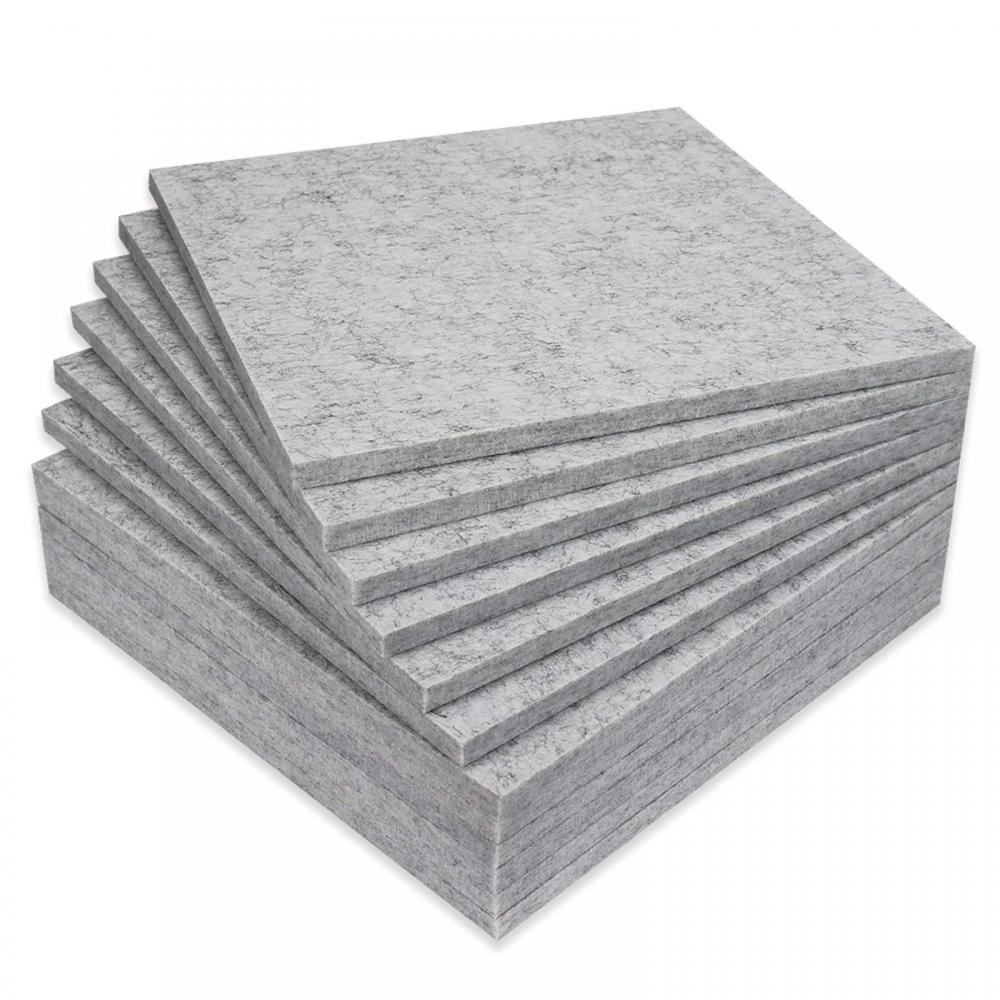
Cleaning dust from PET acoustic panels doesn’t have to be a difficult task. Regular dusting with a microfiber cloth or vacuuming with a soft brush attachment is usually all that’s needed to keep your 3D acoustic panels looking fresh and performing optimally. If spot cleaning is required, use mild solutions and avoid harsh chemicals. By maintaining a consistent cleaning routine, you can ensure that your polyester acoustic panels continue to enhance your space, both acoustically and visually, for years to come.