

One of the key factors to consider when selecting PET acoustic panels made from recycled polyester is their longevity and durability. A common concern among users is whether these panels will fade over time, especially when exposed to sunlight or other environmental conditions. The appearance and performance of polyester acoustic panels can significantly impact the overall aesthetic and acoustic quality of a space, so understanding how these panels behave under different conditions is important.
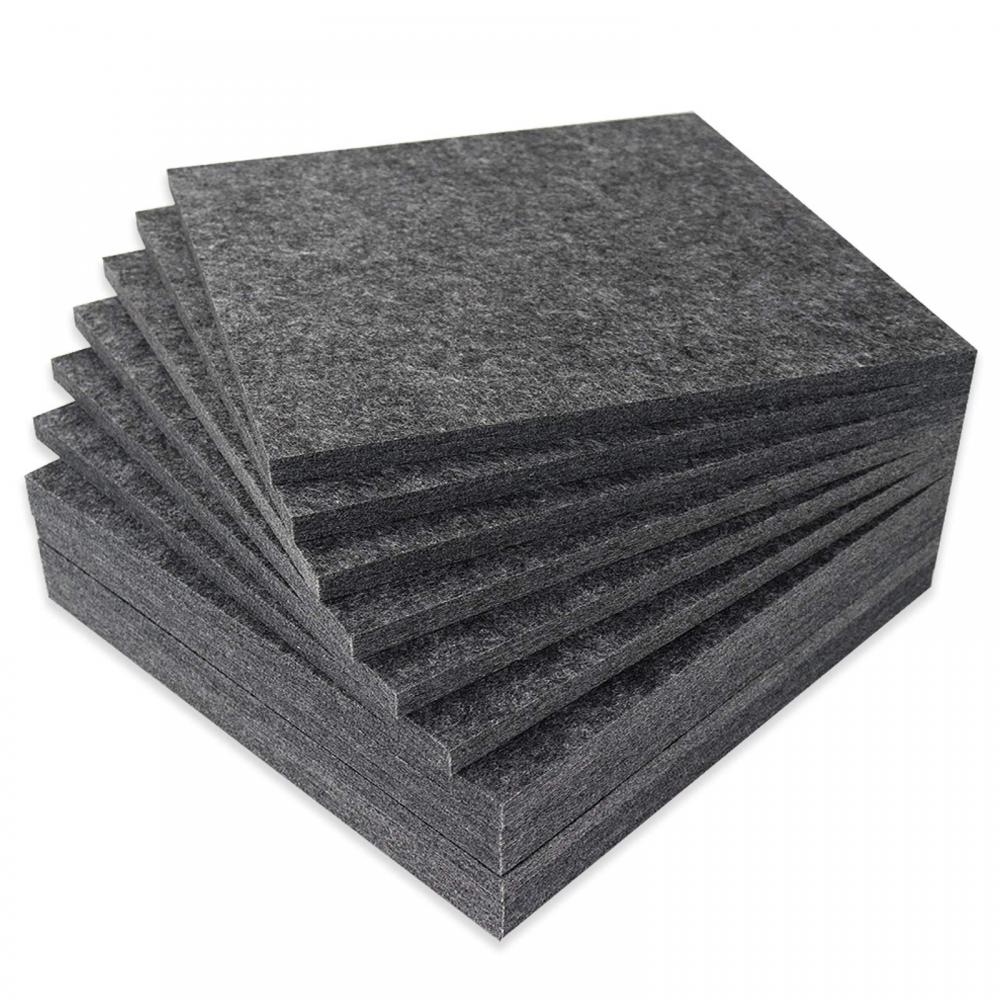
Surface Durability of PET Acoustic Panels
PET acoustic panels are made from high-quality polyester fibers, which are known for their resilience and ability to maintain their structural integrity over time. These panels are designed to withstand regular use, offering excellent sound absorption properties while also contributing to the aesthetic design of a room. The material itself is highly durable, and one of the standout features of polyester acoustic panels is their resistance to wear and tear.
However, when it comes to fading, several factors can influence how the surface of PET acoustic panels holds up over time. UV exposure, humidity, and cleaning methods can all play a role in the longevity of the panel’s color and texture.
Does Exposure to Sunlight Cause Fading?
Direct sunlight is one of the main causes of color fading in most materials, and PET acoustic panels are no exception. While polyester acoustic panels are designed to be more resistant to fading than traditional fabric or foam panels, prolonged exposure to direct sunlight can still cause gradual color degradation. The UV rays from the sun can break down the dye molecules in the material, leading to a noticeable change in the panel’s color over time.
To prevent fading, it’s best to install PET acoustic panels in areas where they will not be directly exposed to sunlight for extended periods. If your space has large windows or areas with strong sunlight, consider using curtains, blinds, or UV protective films to shield the panels. This will help maintain the vibrant color and appearance of your 3D acoustic panels for longer.
Are PET Acoustic Panels Resistant to Other Environmental Factors?
In addition to UV exposure, other environmental factors such as humidity and temperature fluctuations can also impact the surface of polyester acoustic panels. PET acoustic panels are resistant to mold and mildew, which makes them suitable for use in areas with higher humidity, such as bathrooms or kitchens. However, extreme temperature changes or high moisture levels can still cause slight shifts in the material’s structure or appearance.
Cleaning and Maintenance
Proper cleaning and maintenance can also contribute to the longevity of PET acoustic panels and help prevent discoloration. Regular dusting with a soft cloth or using a vacuum cleaner with an upholstery attachment can keep the surface of the polyester acoustic panels clean and free of debris. Avoid harsh chemicals or abrasive cleaning tools, as these can damage the surface and lead to discoloration.
If you need to deep clean the panels, follow the manufacturer's care instructions to ensure that the cleaning process doesn’t compromise the panel’s color or texture.
Conclusion
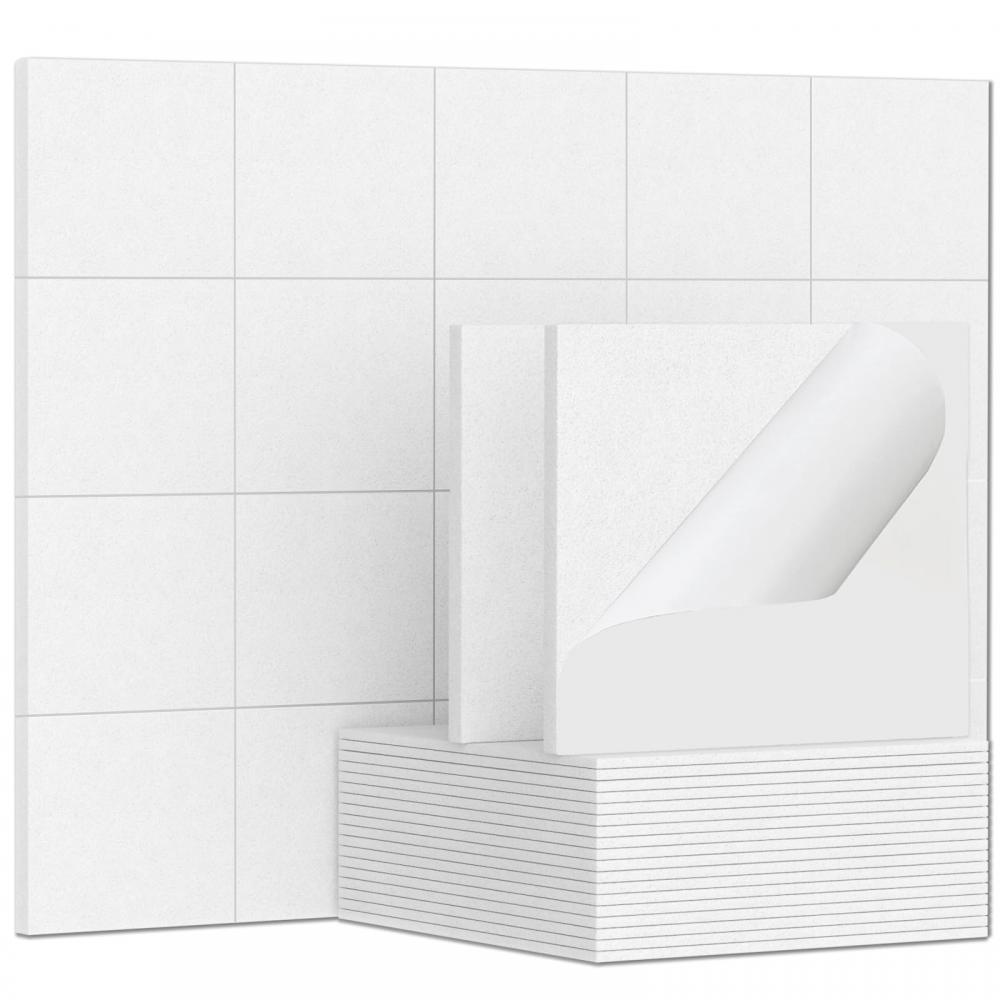
In conclusion, PET acoustic panels are designed to be durable and resistant to wear and tear, but they can still experience some fading over time, especially when exposed to direct sunlight or harsh environmental conditions. To maintain the vibrant color and aesthetic appeal of your polyester acoustic panels, it’s best to avoid prolonged UV exposure and protect the panels from extreme temperature fluctuations. With proper care and maintenance, 3D acoustic panels made from PET will continue to perform well and retain their appearance for many years, making them a reliable and visually appealing choice for acoustic treatments in any space.