

When installing PET acoustic panels, made from sustainable recycled polyester, many users wonder if there is a specific installation order that should be followed to achieve the best acoustic and aesthetic results. While polyester acoustic panels are versatile and flexible in their placement, following a proper installation sequence can ensure that you get the maximum performance from the panels, both in terms of sound absorption and visual design.
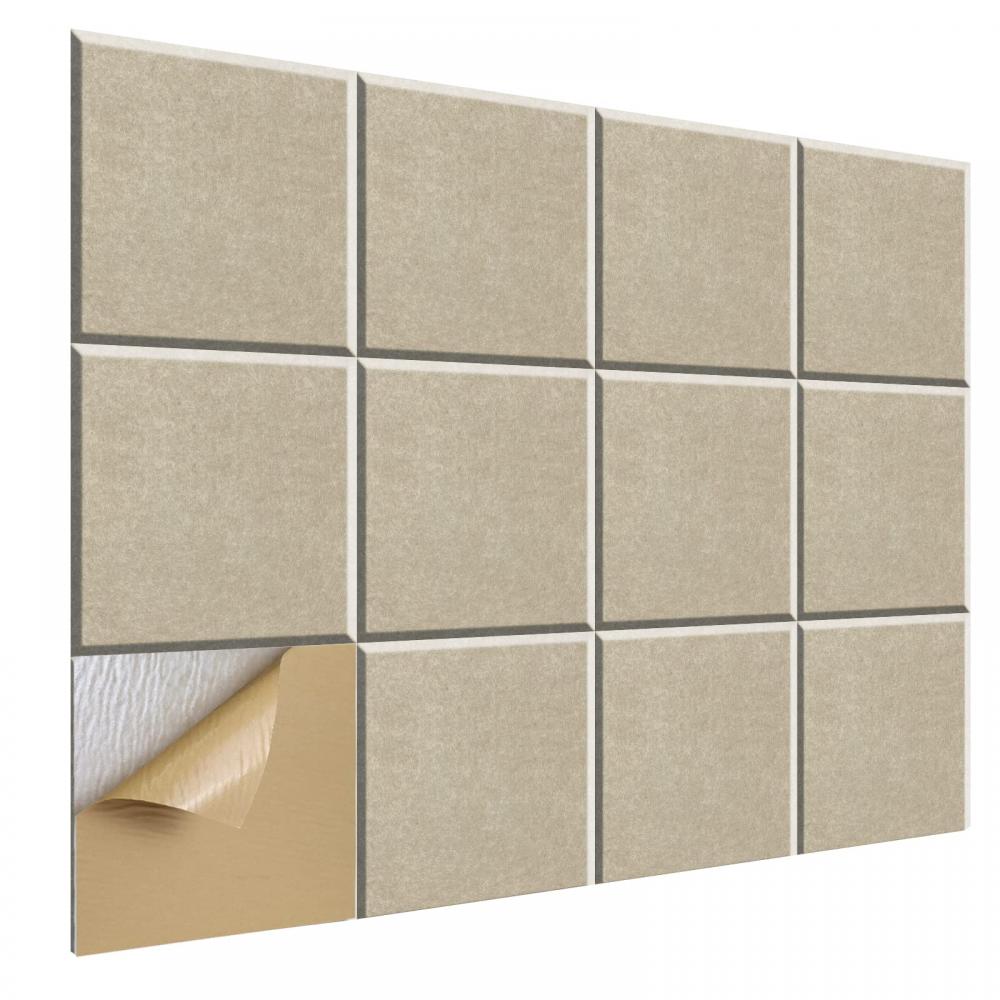
General Guidelines for Installation Sequence
While there isn't a strict "one-size-fits-all" installation sequence for PET acoustic panels, several best practices can help ensure that the panels are installed efficiently and effectively. Whether you're working with 3D acoustic panels for a more dynamic look or traditional flat panels, following a logical sequence can streamline the process and minimize errors.
1. Prepare the Space
The first step in any acoustic panel installation is to thoroughly prepare the space. This includes cleaning the walls or ceilings where the polyester acoustic panels will be mounted, ensuring they are free of dust, dirt, or any obstacles that could affect adhesion. For 3D acoustic panels, particularly those with textured surfaces, it’s important that the mounting surface is smooth and even to prevent any gaps or uneven installation.
Before starting, take measurements to ensure that you have all the panels needed for the space, and make a plan for the layout. If you are designing a feature wall or a specific pattern, such as staggered or grid layouts, consider the best way to arrange the panels for both acoustic and visual appeal.
2. Start with the Corners or Center
When it comes to the actual installation of PET acoustic panels, a common recommendation is to begin either at the center of the wall or at the corners. For more symmetrical designs, starting in the middle allows you to balance the arrangement evenly as you move outward. This approach works well for polyester acoustic panels, as it ensures that the pattern is centered and consistent, especially if the panels are part of a larger design.
Alternatively, if you're working with a more modular or grid layout, beginning in the corners can help establish a clean edge and prevent any misalignment as you move towards the center.
3. Install the Larger Panels First
For most installations, it’s best to start with the largest panels and work your way toward smaller ones, especially when working with 3D acoustic panels. Larger panels can anchor the overall look and layout, allowing smaller panels to fit neatly into gaps. If you're using PET acoustic panels in a more irregular pattern, the larger panels can be positioned first, leaving smaller, cut-to-fit panels to fill any leftover spaces.
4. Ensure Proper Spacing
As you install polyester acoustic panels, be mindful of the spacing between them. Depending on your desired design and acoustic needs, you may want to leave small gaps between panels to allow sound to diffuse effectively. For 3D acoustic panels, this is especially important, as the textured surface and gaps between panels help improve sound absorption. Following the recommended spacing guidelines will ensure optimal acoustics and a uniform, clean look.
5. Complete the Installation with Detailing
Once all the panels are installed, it’s time to complete the finishing touches. This might involve securing the panels in place, ensuring that adhesive or mounting hardware has properly set, and checking for any misalignments or gaps that may need adjustments. For PET acoustic panels, the final detailing ensures the panels are securely fixed and that the installation looks polished and cohesive.
Consideration for Ceiling Installations
For ceiling installations, the sequence may vary slightly depending on the layout. It’s recommended to work from the center outward or from one edge to the other, depending on the room size and the design. Ceiling installations can be more challenging due to the height, so extra care should be taken to ensure the panels are level and securely mounted.

Conclusion
In conclusion, while there is no rigid rule for the sequence of installing PET acoustic panels, following a structured approach can help streamline the process and ensure the panels are installed for maximum effect. Start with preparation, proceed with a logical layout, begin with larger panels, maintain consistent spacing, and finish with final checks. Whether you’re using polyester acoustic panels, 3D acoustic panels, or a combination, following these steps will help achieve a high-quality acoustic and visual result.