

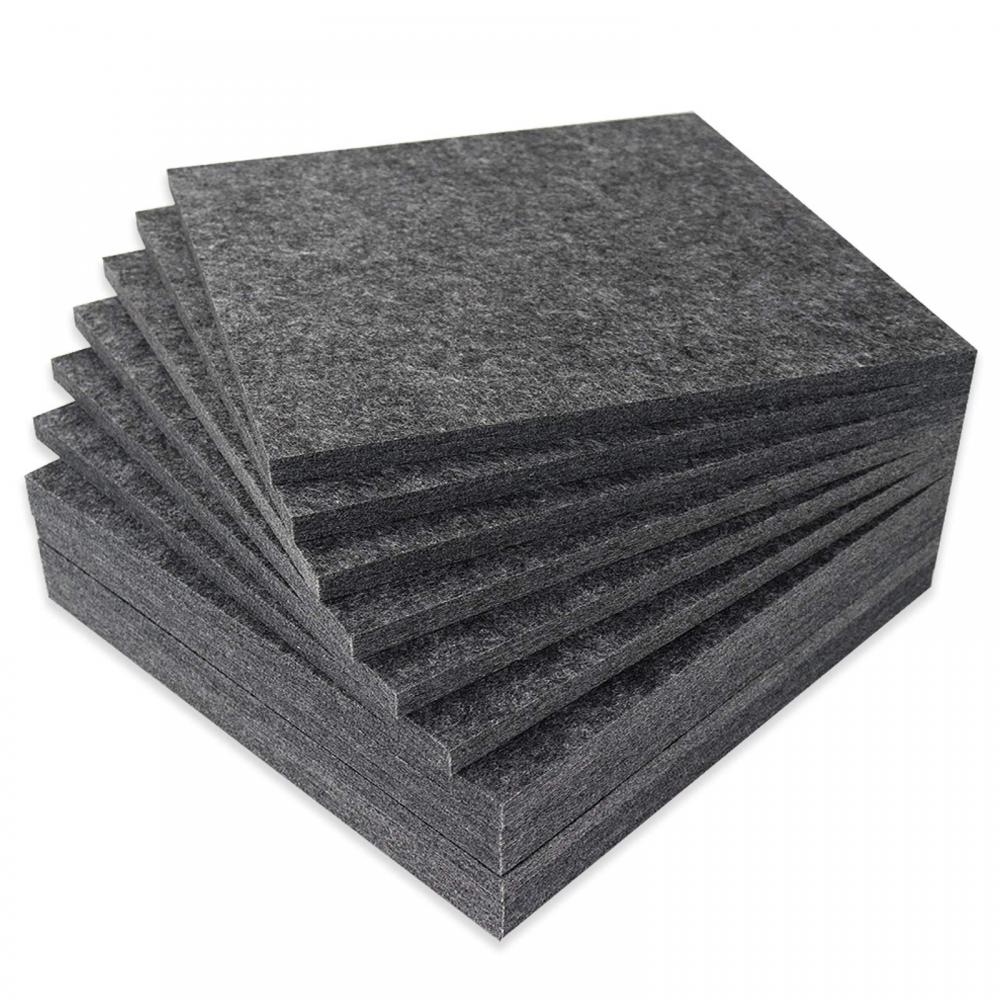
When installing PET acoustic panels made from high-quality recycled polyester, one important factor to consider is the spacing between each panel. Proper panel placement not only ensures optimal acoustic performance but also contributes to the aesthetic appeal and overall effectiveness of the installation. Whether you're installing polyester acoustic panels on walls, ceilings, or as free-standing elements, understanding the correct spacing is crucial for achieving the best results.
The Importance of Proper Spacing
The spacing between 3D acoustic panels or PET acoustic panels affects both their acoustic efficiency and the visual impact of the space. These panels are designed to absorb sound and reduce noise, but their placement needs to be strategic to maximize their benefits. Inadequate spacing may lead to insufficient sound absorption, while overly large gaps can cause uneven sound distribution. Therefore, it’s essential to follow recommended spacing guidelines to achieve optimal performance.
Recommended Spacing for Wall Installations
For wall installations, the spacing between polyester acoustic panels largely depends on the intended acoustic effect and the size of the room. In most cases, panels should be installed with a gap of around 2 to 4 inches (5 to 10 cm) between them to allow air circulation, which improves their sound absorption properties. If you're installing PET acoustic panels to reduce echo or noise from adjacent rooms, a slightly larger gap might be needed to increase the panels' efficiency.
In situations where a more seamless appearance is desired, you can install the panels with little to no visible gap, especially in areas where high levels of noise reduction are not as critical. However, it’s important to ensure that the panels are still securely attached to the wall and that there is adequate space around them to allow for optimal sound absorption.
Ceiling Installations and Spacing Considerations
When installing PET acoustic panels on ceilings, the spacing requirements are somewhat similar to wall installations but may vary depending on the panel size and the height of the ceiling. In commercial spaces or large rooms, you may want to leave slightly larger gaps between polyester acoustic panels to accommodate for sound reflection across a wider area. For smaller rooms or home applications, a closer arrangement with minimal gaps can be effective for controlling noise without compromising on visual design.
Spacing for 3D Acoustic Panels
3D acoustic panels typically require a little more consideration in terms of spacing, as their textured surfaces can impact sound diffusion and absorption. The patterns and angles of 3D acoustic panels create unique sound waves and reflections, which can amplify their effectiveness in certain spaces. A slight gap between each panel allows sound to interact with the textured surfaces, improving the overall acoustics. Typically, a 3- to 4-inch (7.5 to 10 cm) gap between 3D acoustic panels is ideal, but this may vary based on the room’s function and size.
Customizing Spacing Based on Room Size and Function
The spacing requirements can also depend on the specific needs of the room. For example, in a recording studio, the panels might need to be placed with more precision to achieve ideal sound isolation. In contrast, for office spaces or living rooms, the spacing can be more flexible, prioritizing both aesthetics and general sound absorption.
Conclusion
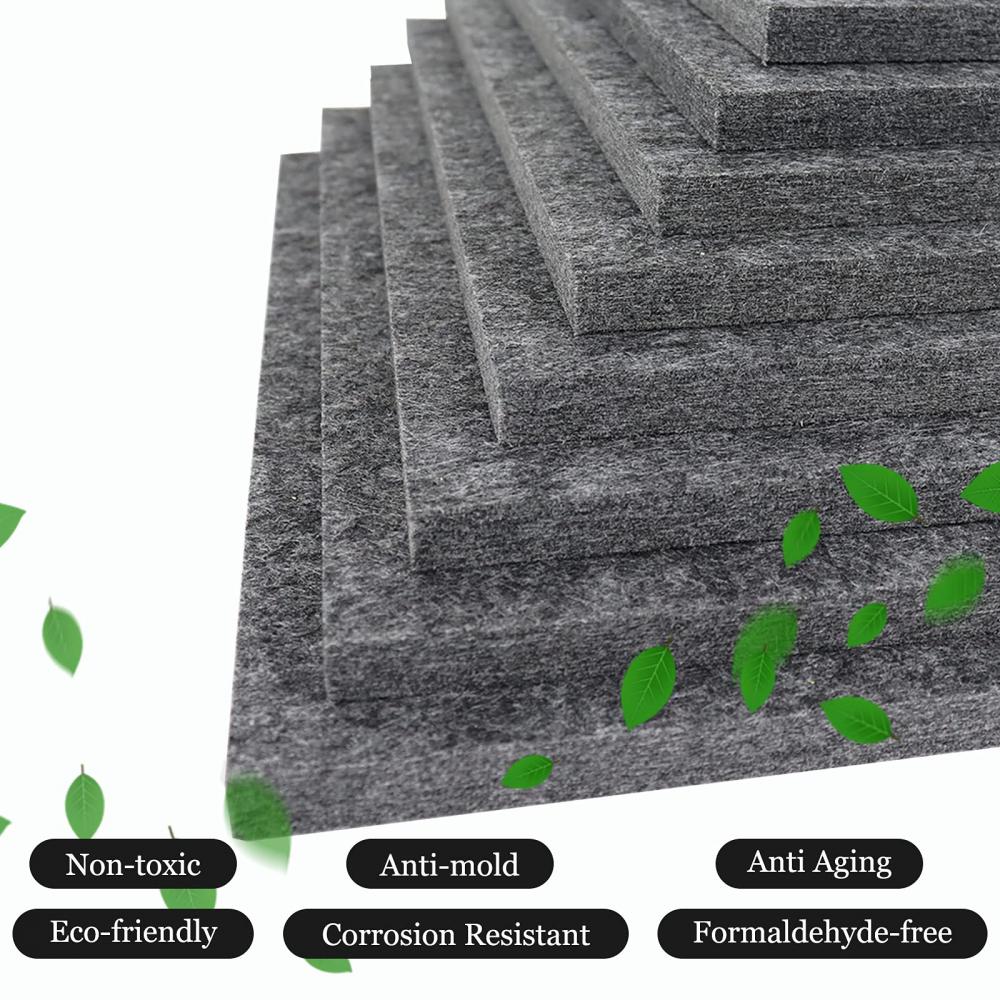
In conclusion, the correct spacing when installing PET acoustic panels is key to maximizing their performance. Whether you are working with polyester acoustic panels, 3D acoustic panels, or other variations, ensuring proper spacing between the panels helps to optimize sound absorption and noise reduction. Generally, a 2- to 4-inch gap is recommended for wall installations, while ceiling installations may require slightly larger gaps depending on the room size. The right spacing also contributes to the overall visual appeal and ensures a functional and stylish acoustic solution in any space.