


Dust Accumulation in Wood Slat Panels
1. PET Acoustic Panels
PET acoustic panels are made from recycled plastic fibers and are generally smooth to the touch, with a texture that is less likely to attract dust compared to more porous materials. However, like any surface, they are not immune to dust. The surface of PET panels may accumulate dust over time, especially in spaces with higher airflow or where the panels are installed near heating or air conditioning vents.
Ease of Cleaning: PET panels are relatively easy to clean due to their smooth surface. Regular dusting with a soft cloth or using a vacuum with a brush attachment can help keep the surface free of dust without causing damage. For more thorough cleaning, a damp cloth can be used, but care should be taken to avoid excessive moisture.
Dust Attraction Factors: The main factors that contribute to dust accumulation on PET acoustic panels include the environment (e.g., high dust areas, pet-friendly homes), the texture of the panel (rougher surfaces tend to attract more dust), and airflow in the room.
2. Real Wood Slat Panels
Real wood slat panels, known for their natural beauty and texture, are more porous than PET acoustic panels, which can lead to higher dust accumulation. The surface of real wood is more likely to trap dust in the grain and along the edges of the slats. In addition, wooden surfaces can attract dust more easily in rooms with high humidity or static electricity.
Cleaning Considerations: Cleaning real wood slat panels requires more care than cleaning PET panels. A microfiber cloth is ideal for dusting as it can reach into the wood grain without causing scratches. It's recommended to avoid using harsh chemicals or excessive water, as these can damage the wood or affect its finish.
Maintenance: To reduce dust accumulation on real wood panels, regular dusting is essential, particularly in high-traffic areas or rooms with open windows. It’s also important to periodically check the finish or coating of the wood, as worn finishes may allow dust to accumulate more easily.
3. Three-Sides Veneer Wood Slat Panels
Three-sides veneer wood slat panels combine the natural look of real wood with a veneer layer, which provides a smoother surface than solid wood but can still attract dust, especially in high-traffic areas. The smoothness of the veneer can help minimize dust buildup compared to raw wood, but like real wood, it is still more prone to dust accumulation compared to PET panels.
Cleaning and Care: The cleaning process for veneer wood slat panels is similar to real wood panels. A soft cloth or microfiber duster is effective in removing dust without scratching the surface. Using a vacuum cleaner with a brush attachment can also help remove dust from hard-to-reach areas.
Protection Against Dust: To minimize dust buildup, it’s recommended to keep the environment clean by reducing clutter and controlling the humidity levels. Dusting regularly and ensuring the panels have a protective coating can help keep the veneer looking clean and polished.
Factors Influencing Dust Accumulation
While the material itself plays a role in dust attraction, there are several external factors that can affect how much dust accumulates on wood slat panels:
Room Airflow: Rooms with high airflow (from HVAC systems or fans) tend to accumulate more dust, as airborne particles settle on surfaces. Installing air purifiers or using dehumidifiers can help reduce dust levels in the room and on your wood slat panels.
Environmental Conditions: Rooms with pets, outdoor access, or proximity to open windows will naturally have more dust. In such cases, regular cleaning of the panels is essential to keep them looking their best.
Static Electricity: Wood, especially real wood, can generate static electricity, which attracts dust particles. This is particularly common in dry climates or during winter months. Using an anti-static cleaning solution can help reduce this effect.
Conclusion
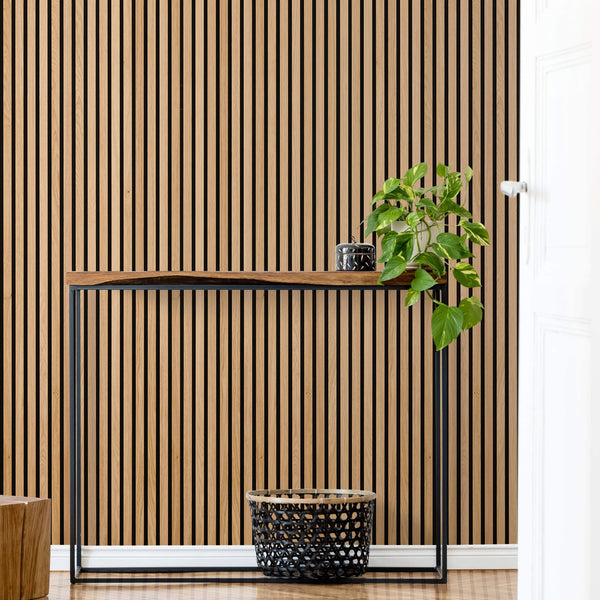
The surface of wood slat panels, whether made from PET acoustic panels, real wood, or veneer wood slats, can accumulate dust over time, though the degree of dust attraction varies with the material. PET panels are less prone to dust buildup, especially due to their smooth, non-porous surface, and are easier to clean. In contrast, real wood and veneer panels, with their more textured and porous surfaces, may require more frequent cleaning to prevent dust accumulation.
To maintain the appearance and performance of your wood slat panels, regular dusting and cleaning are essential. For real wood and veneer panels, using soft, non-abrasive materials for cleaning will help protect the finish and prevent damage. By taking these simple maintenance steps, you can keep your wood slat panels looking fresh and clean, ensuring their longevity and aesthetic appeal in your space.