

When investing in wood slat panels, whether made from PET acoustic panels, real wood, or three-sides veneer wood slats, durability and longevity are key considerations. The lifespan of a wood slat panel is influenced by a variety of factors, including the material quality, maintenance, and the environmental conditions in which the panels are used. Here’s an overview of how long you can expect different types of wood slat panels to last, and how to extend their lifespan.
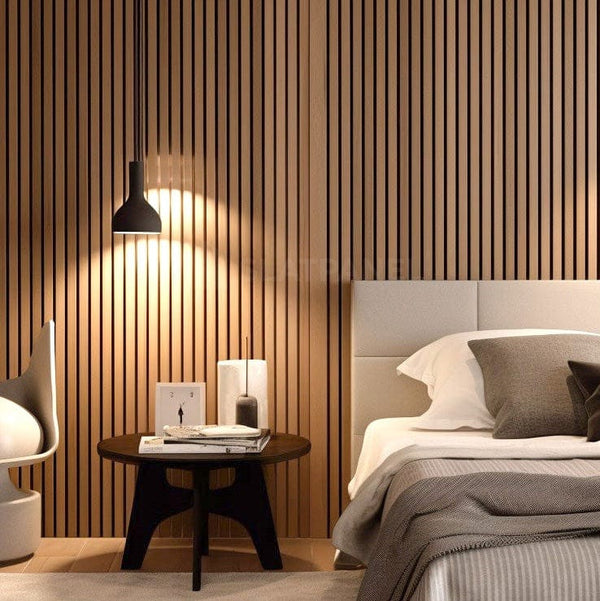
1. PET Acoustic Wood Slat Panels
PET (Polyethylene Terephthalate) acoustic panels are known for their durability and resilience. Made from recycled plastic fibers, PET panels are designed to last for many years with minimal wear and tear. These panels are lightweight, easy to maintain, and resistant to moisture, making them suitable for a range of environments.
Lifespan: PET acoustic wood slat panels generally have a lifespan of 15 to 20 years, depending on the level of wear and the maintenance they receive.
Factors Affecting Longevity: The lifespan of PET panels can be influenced by environmental conditions like exposure to sunlight, humidity, and temperature fluctuations. While PET panels are resistant to moisture and mold, it’s important to ensure they are installed in a stable environment to maintain their integrity over time.
Maintenance: Regular cleaning with a soft cloth or vacuum can help keep PET panels looking fresh. Avoid exposure to excessive moisture or harsh chemicals, as these could affect the material's acoustic properties.
2. Real Wood Slat Panels
Real wood slat panels are highly sought after for their aesthetic appeal and natural texture. As a natural material, wood can age gracefully, adding character to a space. However, its longevity is influenced by various environmental factors such as humidity, temperature, and direct sunlight.
Lifespan: Real wood slat panels, when properly maintained, can last anywhere from 20 to 50 years, and sometimes even longer. The wood’s lifespan is greatly impacted by the type of wood used (hardwoods tend to last longer than softwoods) and the treatment or finishing applied to the wood.
Factors Affecting Longevity: Real wood slat panels are vulnerable to changes in humidity and temperature, which can cause the wood to warp or crack over time. Sunlight can also cause fading or discoloration of the wood’s surface. To ensure longevity, it is essential to keep the wood slats in a controlled environment with stable humidity levels and avoid direct sunlight.
Maintenance: To extend the life of real wood slat panels, regular dusting and cleaning are recommended. It is also important to reapply protective finishes or sealants periodically to prevent the wood from drying out or getting damaged by moisture. Avoid using harsh chemicals that could degrade the finish or cause discoloration.
3. Three-Sides Veneer Wood Slat Panels
Three-sides veneer wood slat panels offer the beauty of real wood with the added benefit of a protective veneer layer. The veneer provides a smooth, durable surface that resists scratches and is less prone to warping than solid wood. These panels are a popular choice for commercial and residential applications due to their combination of natural wood aesthetics and enhanced durability.
Lifespan: Veneer wood slat panels can last between 20 to 40 years, depending on the material quality, environmental conditions, and the amount of wear they receive. The veneer layer helps protect the core material (usually MDF or plywood), enhancing the overall durability of the panel.
Factors Affecting Longevity: The main factors that can affect the lifespan of veneer wood slat panels include exposure to moisture, excessive heat, and humidity. While veneer is more stable than solid wood, it is still sensitive to these conditions, so it’s important to avoid placing the panels in high-humidity areas like bathrooms or kitchens without proper ventilation.
Maintenance: Veneer panels require less maintenance than real wood but should still be kept free from dust and debris. Regular cleaning with a microfiber cloth is usually sufficient to maintain the finish. Avoid abrasive cleaners or rough cloths that could scratch or damage the veneer surface.
General Tips for Extending the Lifespan of Wood Slat Panels
Regardless of the type of wood slat panel you choose, there are several general tips that can help extend its lifespan:
Control Environmental Factors: Wood slat panels should be installed in a stable environment with controlled humidity and temperature. Avoid placing them in direct sunlight or near heat sources, as these can cause the material to warp, fade, or dry out.
Regular Cleaning and Maintenance: Regular dusting and cleaning with appropriate products will help keep the panels looking fresh and prevent buildup of dust or debris that can affect the panels' performance and appearance.
Reapply Protective Finishes: For real wood and veneer panels, reapplying protective coatings or sealants periodically can help protect the surface from moisture and wear, extending the lifespan of the panels.
Avoid Harsh Chemicals: Using harsh chemicals or abrasive cleaning tools can damage the surface of your panels. Stick to mild, non-abrasive cleaning agents that are suitable for wood or PET materials.
Conclusion
Wood slat panels, whether made from PET acoustic material, real wood, or three-sides veneer wood, are designed to be long-lasting investments that can enhance the beauty and acoustics of any space. PET acoustic panels offer a lifespan of 15 to 20 years, while real wood slat panels can last 20 to 50 years, depending on maintenance and environmental conditions. Veneer wood slat panels, with their protective finish, typically last 20 to 40 years.
To maximize the lifespan of any wood slat panel, it’s essential to maintain the panels with proper cleaning, regular upkeep, and by controlling the environmental factors that could impact their durability. With the right care, these panels can continue to enhance your space for many years, providing both functional and aesthetic benefits.