

When it comes to designing and installing wood slat panels, one of the key concerns for homeowners and designers alike is the longevity and durability of the materials used. PET (Polyethylene Terephthalate) acoustic panels, often incorporated into wood slat panels, are praised for their acoustic performance and environmental benefits. However, many ask: is PET material suitable for long-term use in these applications?
The short answer is yes—PET acoustic material is well-suited for long-term use, but there are several factors that contribute to its durability and performance in various environments.

Durability and Longevity of PET Acoustic Panels
PET is a robust and durable material made from recycled plastic bottles, which gives it a strong, sustainable foundation. As part of wood slat panels, PET offers exceptional sound absorption qualities without compromising on aesthetics. But what makes PET particularly suitable for long-term use?
Resistance to Wear and Tear
PET acoustic panels are designed to be resilient under normal use. They are not prone to cracking or chipping like other materials, such as wood or MDF, which can degrade over time due to environmental conditions or mechanical stress. PET’s resistance to such physical damage makes it ideal for spaces that experience high traffic or frequent changes in environmental conditions.
Moisture Resistance
One of the standout features of PET is its excellent resistance to moisture. Unlike wood, which can warp, swell, or decay in humid conditions, PET remains unaffected by moisture. This quality makes it especially suitable for long-term use in environments where humidity levels fluctuate, such as bathrooms, kitchens, or basements. PET does not absorb water or suffer from mold growth, which is a common issue with wood-based materials.
UV Stability and Color Retention
PET is highly UV-stable, meaning it won’t easily fade or discolor when exposed to sunlight. Unlike natural wood or veneer, which can darken or lose color over time due to UV exposure, PET panels maintain their visual appeal for many years. This makes them an excellent choice for areas that receive a lot of natural light, as the panels will continue to look as good as new for an extended period.
Eco-Friendly and Recyclable
As a material made from recycled plastic, PET is an environmentally friendly option. PET acoustic panels help reduce the carbon footprint and promote sustainability, which is increasingly important for long-term use in modern design projects. Furthermore, PET is 100% recyclable, allowing it to be reused at the end of its life cycle, which adds to its appeal for long-term, sustainable use.
Real Wood Slat Panels and Long-Term Use
While PET acoustic panels are designed for durability, natural materials like real wood and veneer also have their place in wood slat panels, though they require more maintenance for long-term use. Real wood slat panels are beautiful and timeless but are more susceptible to environmental changes such as humidity, temperature fluctuations, and UV exposure.
Challenges of Long-Term Use with Real Wood Slat Panels:
· Moisture Sensitivity: Real wood can absorb moisture, leading to swelling, warping, or cracking over time, especially in humid or wet environments. It is crucial to apply protective coatings or sealants to extend the lifespan of real wood slat panels in such conditions.
· UV Degradation: Wood can darken or fade with exposure to sunlight, affecting its aesthetic appeal. Regular maintenance, such as refinishing or re-oiling, may be necessary to maintain its original look.
However, with proper care and treatment, real wood slat panels can also provide long-term durability and beauty.
Three Sides Veneer Wood Slat Panels: Durability and Maintenance
Three sides veneer wood slat panels offer the natural beauty of real wood with a veneer finish, providing a more stable and durable option than solid wood in some cases. While they are less prone to the warping and cracking seen in solid wood, veneer panels still require careful maintenance to ensure they remain durable over time.
Considerations for Long-Term Use of Veneer Wood Slat Panels:
· Moisture and Humidity: Veneer wood panels are more resistant to moisture than solid wood, but they can still be damaged by prolonged exposure to humidity. It is advisable to apply moisture-resistant coatings or sealants to protect the veneer and extend its life.
· UV Resistance: Like solid wood, veneer panels may fade over time with exposure to UV light. Regular maintenance, such as polishing or refinishing, may be needed to preserve the appearance of the veneer.
Conclusion: PET Acoustic Panels for Long-Term Use
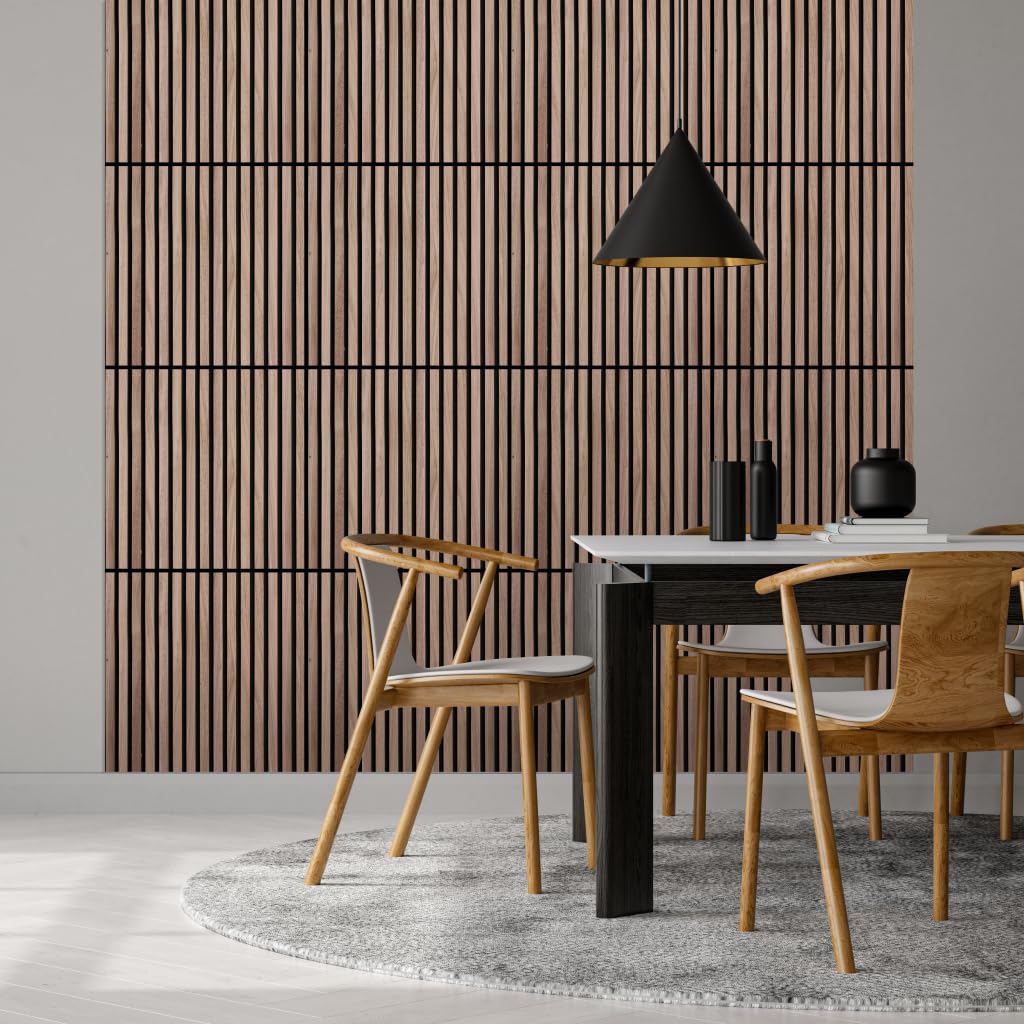
When compared to natural wood or veneer, PET acoustic panels offer a low-maintenance, long-lasting solution for wood slat panel applications. Their resistance to moisture, UV stability, and eco-friendly properties make them an excellent choice for projects that require durability over time, particularly in environments that experience high humidity or significant sunlight.
While real wood and veneer wood slat panels can also be used for long-term applications, they require more regular maintenance and care to ensure they remain in optimal condition. If you're looking for a material that combines acoustic performance, visual appeal, and low maintenance, PET acoustic panels integrated into wood slat panels provide a sustainable and durable option for years to come.
By choosing the right materials based on environmental conditions and maintenance preferences, wood slat panels can enhance both the aesthetic and acoustic qualities of your space, while standing the test of time.