

Maintaining the cleanliness of your PET acoustic panels, also known as 3D acoustic panels or polyester acoustic panels, is essential for preserving both their appearance and performance. Over time, dust and stains can accumulate on the panels, affecting their acoustic efficiency and detracting from the overall aesthetics of your space. Fortunately, cleaning PET acoustic panels is straightforward and can be done using simple methods. Here’s a guide to help you effectively remove dust and stains from polyester acoustic panels while keeping them in top condition.
1. Regular Dusting to Prevent Buildup
Dust is the most common form of dirt that accumulates on PET acoustic panels. It can clog the fibers and affect the appearance of the panels, so regular dusting is key to keeping them looking fresh.
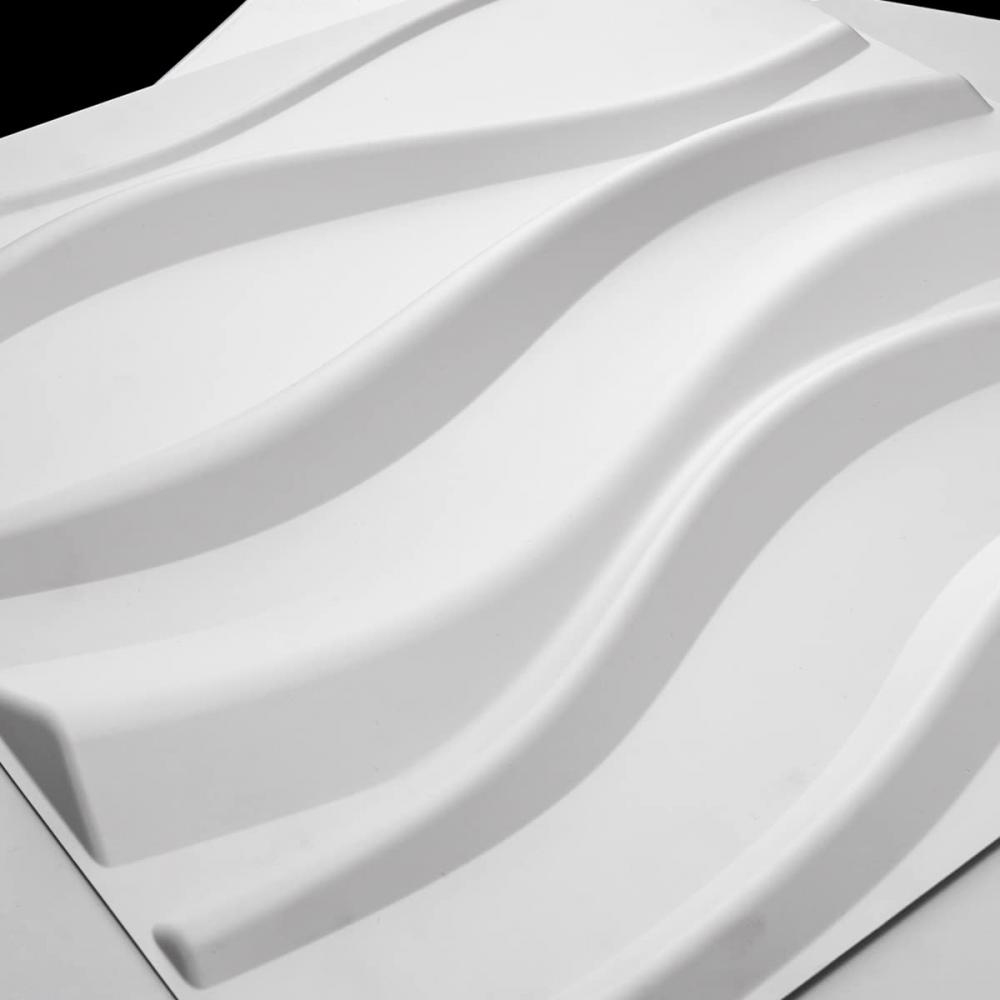
- How to Dust: Use a soft microfiber cloth or a duster to gently remove dust from the surface of the 3D acoustic panels. A microfiber cloth is ideal as it won’t scratch or damage the panel surface. Be sure to dust the grooves or textured areas of the panels where dust can collect.
- Key Tip: Dusting once a week or every other week is a good practice, especially in high-traffic areas like offices, lobbies, or public spaces.
2. Vacuuming for Deeper Cleaning
For a more thorough cleaning, especially in spaces where dust builds up more quickly, vacuuming polyester acoustic panels is an effective method. Vacuuming helps remove dust from the surface and even from within the textured grooves of 3D acoustic panels.
- How to Vacuum: Use a vacuum cleaner with a soft brush attachment. Set the vacuum to the lowest suction setting to avoid damaging the panels. Gently run the vacuum over the entire surface of the PET acoustic panels, paying special attention to any ridges or textured sections where dust tends to settle.
- Key Tip: Avoid using a high-powered vacuum or any sharp tools, as these could cause the panels to stretch, tear, or lose their shape.
3. Spot Cleaning Stains and Marks
If PET acoustic panels become stained or marked with food, liquid, or other substances, prompt action can prevent the stain from setting in. Spot cleaning is an effective way to handle localized stains.
- How to Spot Clean: For light stains, use a damp cloth with a mild soap solution (e.g., mild dish soap diluted in warm water). Gently blot the stained area, taking care not to rub, as this can cause the stain to spread or push further into the fabric.
- Key Tip: Test the cleaning solution on a small, hidden area of the panel before cleaning the entire surface to ensure it won’t discolor or damage the material.
4. Cleaning with a Damp Cloth
For general cleaning, a damp cloth is often all you need to remove light stains, dirt, or dust from 3D acoustic panels. This method is gentle and won’t cause damage to the material.
- How to Clean: Lightly dampen a microfiber cloth with water. You can add a tiny amount of mild detergent if necessary, but avoid soaking the panel. Wipe the panel gently, ensuring you don’t saturate the material. Excess moisture can compromise the integrity of the polyester acoustic panels.
- Key Tip: Be sure to dry the panels immediately after cleaning to prevent water from seeping into the material.
5. Removing Tougher Stains
If there are more stubborn stains, such as ink, grease, or marker stains, these may require a slightly different approach. Use a fabric-safe stain remover that’s suitable for PET acoustic panels.
- How to Treat Stubborn Stains: Apply a small amount of stain remover directly to the stained area using a soft cloth. Gently work the cleaner into the stain, being careful not to rub too hard. Afterward, wipe away any excess cleaner and clean the area with a damp cloth to remove any residue.
- Key Tip: Always check the manufacturer’s guidelines before using any stain remover to ensure it won’t damage the polyester material or affect the panel’s color.
6. Avoiding Harsh Chemicals
It’s important to avoid using harsh chemicals, bleach, or ammonia-based cleaners on polyester acoustic panels, as these can break down the fibers, discolor the panels, and reduce their acoustic performance.
- Key Tip: Stick to mild, non-abrasive cleaning agents such as dish soap or a gentle fabric cleaner. If in doubt, consult the manufacturer’s cleaning recommendations to ensure you’re using safe products.
7. Handling Specific Types of Stains
Certain types of stains, like ink or grease, require special care. Here’s how you can treat these specific stains:
- Ink Stains: If you’ve accidentally spilled ink on PET acoustic panels, blot the stain with a cloth soaked in rubbing alcohol. Dab the stain, but don’t rub it in, as this can spread the ink. Once the ink is gone, wipe the area with a clean damp cloth.
- Grease or Oil Stains: Grease stains can be tough to remove, but using a small amount of dish soap or an oil-removing detergent can help. Apply the soap to the stained area and gently blot with a clean cloth, then rinse with water and dry thoroughly.
Conclusion
In conclusion, removing dust and stains from PET acoustic panels, 3D acoustic panels, and polyester acoustic panels is simple when done with the right methods. Regular dusting, spot cleaning, and careful treatment of stains will help keep your panels looking good and functioning effectively. By avoiding harsh chemicals and following these easy-to-apply cleaning tips, you can extend the lifespan of your PET acoustic panels while maintaining their aesthetic and acoustic performance for years to come.