

As a manufacturer of PET acoustic panels, also known as 3D acoustic panels or polyester acoustic panels, one of the most common questions we receive from customers is whether these panels will get damaged after long-term use. The simple answer is no, provided they are properly maintained and installed in appropriate conditions.
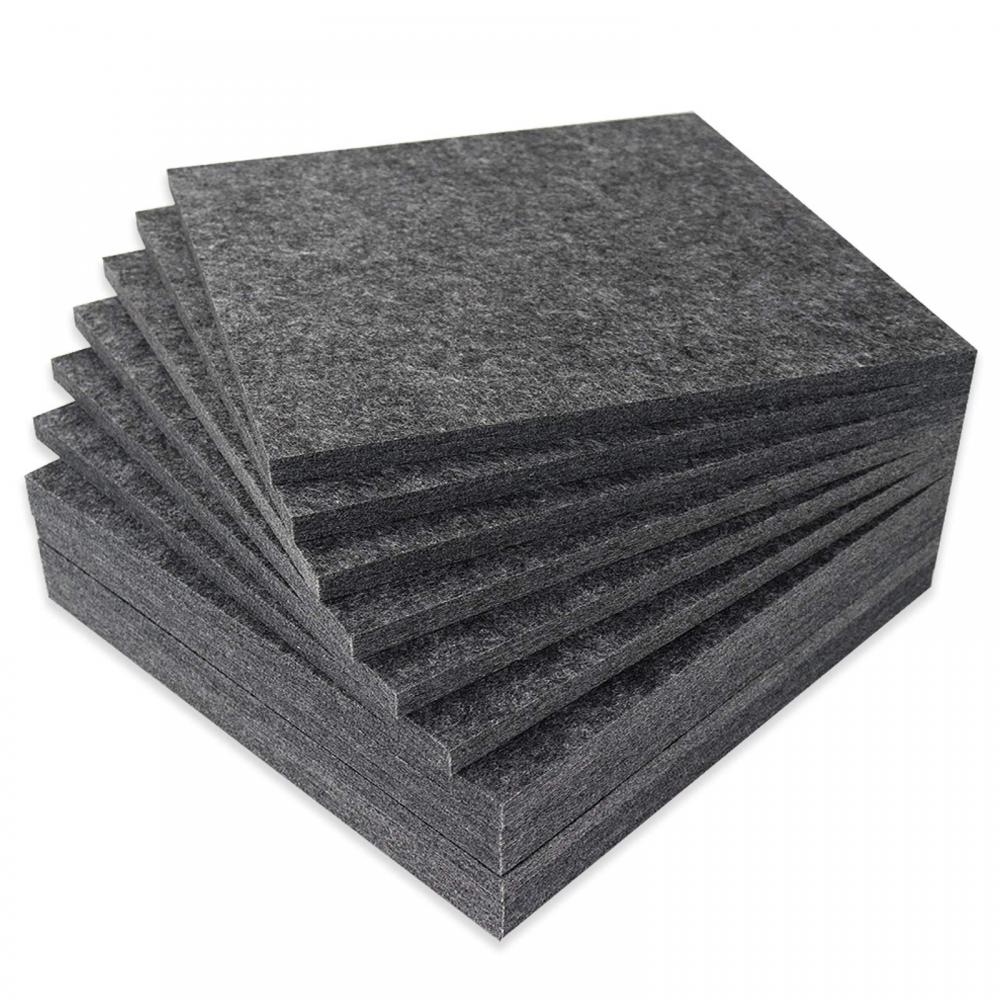
PET Acoustic Panels are designed to be durable, long-lasting, and resilient under normal use, making them an excellent choice for a variety of acoustic applications in both residential and commercial spaces. However, like any product, the longevity of 3D acoustic panels depends on several factors, such as maintenance, installation conditions, and exposure to environmental elements. In this article, we will explore the factors that affect the lifespan of polyester acoustic panels and how to ensure they stay in optimal condition.
1. Durability of PET Acoustic Panels
PET acoustic panels are made from high-density polyester fibers that are designed to provide excellent sound absorption and durability. These panels are resistant to typical wear and tear, such as fading, crumbling, or cracking, even with long-term exposure to normal indoor environments.
- Resilience to Physical Damage: Polyester acoustic panels are flexible and can withstand minor impacts, making them less likely to crack or break compared to more rigid materials like wood or drywall. However, while they are resistant to typical impacts, they may still be damaged by sharp objects or heavy impacts.
- Moisture Resistance: PET acoustic panels are designed to resist moisture to a certain extent. However, prolonged exposure to high humidity or direct water contact can damage the panel’s fibers, leading to degradation over time. This is why it’s important to use 3D acoustic panels in environments with controlled humidity levels or install moisture-resistant panels in areas prone to dampness.
2. Fading and Discoloration
One of the main concerns for customers is whether PET acoustic panels will fade or discolor over time, especially when exposed to sunlight. Unlike natural materials like wood or fabric, polyester acoustic panels are generally resistant to fading and maintain their color for years with proper care.
- UV Resistance: PET acoustic panels are treated to resist UV degradation. However, continuous exposure to direct sunlight over extended periods may eventually cause slight discoloration, especially if the panels are of lighter colors. For spaces with heavy sun exposure, it is recommended to place the panels in areas with less direct sunlight or to opt for darker colors, which are less prone to showing signs of discoloration.
- Maintaining Color: Regular cleaning can help prevent the buildup of dirt and dust that might contribute to discoloration. Spot cleaning stains or spills promptly also ensures the panels retain their appearance over time.
3. Acoustic Performance Over Time
One of the primary benefits of PET acoustic panels is their excellent sound-absorbing properties, which help reduce noise and control reverberation in a space. The good news is that these acoustic properties typically remain stable for many years, provided the panels are not subjected to extreme conditions that might compromise their structure.
- Long-Term Acoustic Effectiveness: 3D acoustic panels retain their ability to absorb sound effectively over time, even after years of use. However, regular cleaning and maintenance are recommended to ensure that dust, dirt, and other contaminants do not build up and reduce the acoustic performance.
- Moisture and Mold Concerns: While polyester acoustic panels are resistant to moisture to an extent, prolonged exposure to humidity or water can encourage mold or mildew growth. If mold does develop, it can compromise the panel's acoustic properties and its structural integrity. To avoid this, ensure that the panels are installed in well-ventilated spaces, particularly in areas prone to high moisture levels.
4. Impact of Heavy Cleaning or Harsh Conditions
While PET acoustic panels are durable, heavy-handed cleaning or exposure to extreme conditions can shorten their lifespan.
- Avoid Abrasive Cleaners: Harsh cleaning agents, such as bleach or ammonia-based products, should not be used to clean 3D acoustic panels. These chemicals can damage the fibers, leading to discoloration or weakening of the material.
- Extreme Temperature Fluctuations: Constant exposure to extreme heat or cold can lead to the weakening of polyester acoustic panels, causing them to lose their flexibility and potentially crack or break. It is best to install these panels in climate-controlled environments.
5. Proper Installation for Longevity
Proper installation is key to ensuring the long-term durability of PET acoustic panels. Panels should be installed on clean, dry, and level surfaces to avoid unnecessary stress that could lead to warping or shifting over time.
- Handling during Installation: During the installation process, care should be taken to avoid dropping or hitting the panels. Sharp impacts or bending the panels can cause permanent damage to the material.
- Secure Mounting: Panels should be securely mounted with appropriate adhesive, screws, or other mounting systems that prevent them from shifting over time. Loose panels could be more prone to physical damage or wear.
Conclusion
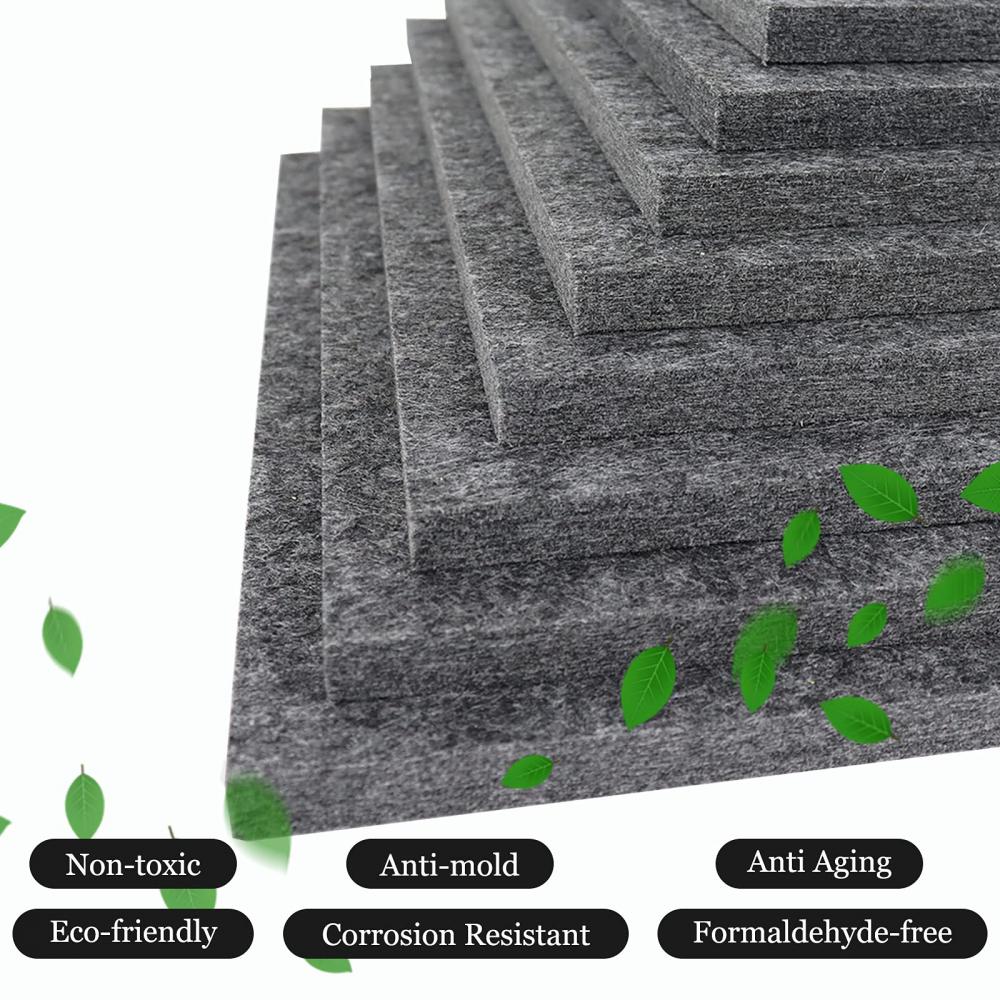
In conclusion, PET acoustic panels, including 3D acoustic panels and polyester acoustic panels, are designed to be durable and long-lasting. While they are resistant to damage from typical wear and tear, moisture, extreme temperatures, and poor maintenance can cause issues over time. By ensuring proper installation, regular cleaning, and keeping the panels away from harsh environmental conditions, you can maximize the lifespan and performance of your PET acoustic panels, ensuring they remain functional and aesthetically pleasing for years to come.
With the right care, 3D acoustic panels and polyester acoustic panels continue to offer excellent sound absorption and contribute to the overall acoustics of any space, maintaining both their look and function long into the future.