

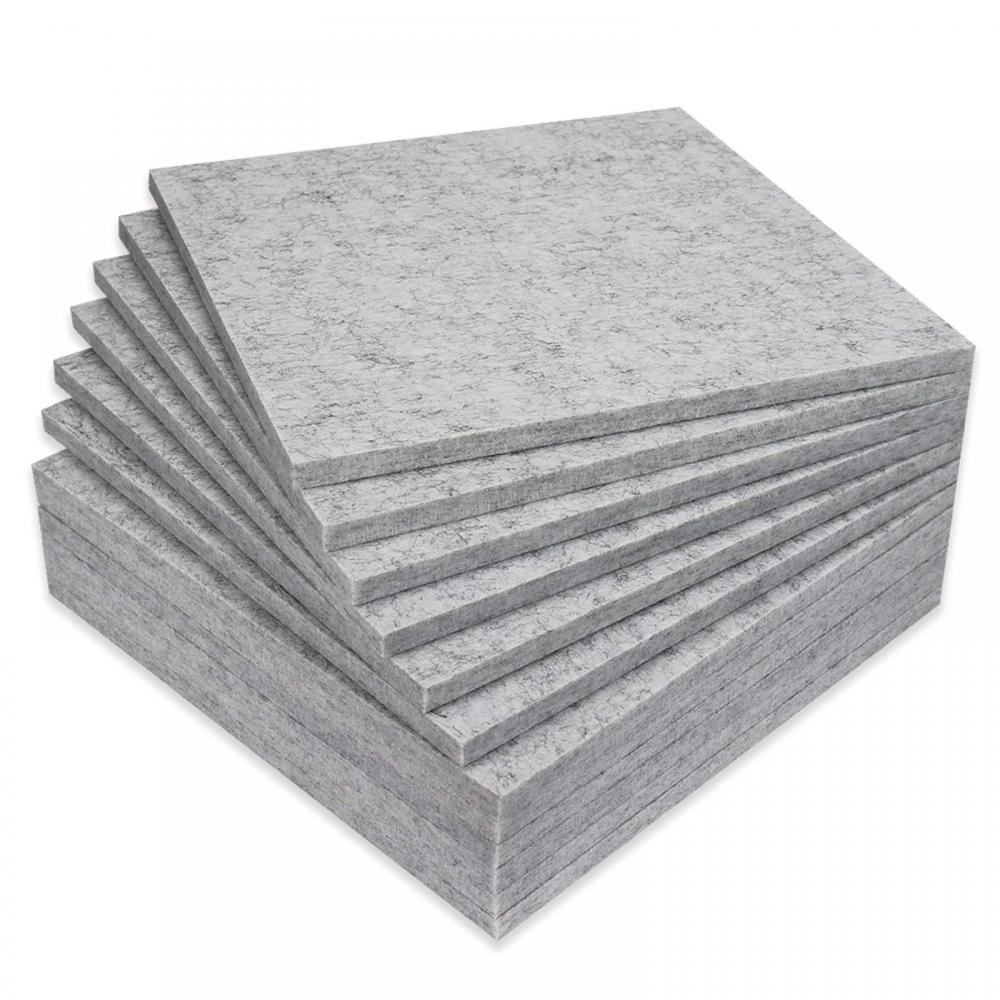
1. Regular Dusting
The most basic form of cleaning PET acoustic panels is regular dusting. Over time, dust, dirt, and other particles can accumulate on the surface of the panels, affecting their appearance and possibly their acoustic performance.
- How to Dust: Use a soft microfiber cloth or a duster with a gentle bristle to wipe the surface of the polyester acoustic panels. Avoid using abrasive materials that could damage the texture of the panels. Dusting once a week or bi-weekly will keep the panels looking fresh and prevent dust buildup.
- Key Tip: For hard-to-reach areas or large installations, consider using a handheld vacuum cleaner with a soft brush attachment to gently remove dust from the surface.
2. Vacuuming for Deeper Cleaning
For more thorough cleaning, especially in high-traffic areas or spaces with a lot of dust and debris, vacuuming the surface of PET acoustic panels is an effective method. This is especially important for 3D acoustic panels where grooves or textured surfaces can trap dust and dirt.
- How to Vacuum: Use a vacuum cleaner with a soft brush nozzle. Set the vacuum on the lowest suction setting to avoid damaging the panel. Gently run the vacuum over the surface of the polyester acoustic panels, ensuring you cover all areas, including the crevices.
- Key Tip: Always use the softest attachment possible to avoid scratching or pulling at the fibers of the panels.
3. Spot Cleaning with Mild Soap Solution
In cases where there are stains or marks on the surface of PET acoustic panels, a mild soap solution can be used to spot-clean the panels. This is particularly effective for removing spills or stains from liquids or food in spaces such as kitchens, offices, or public areas.
- How to Spot Clean: Mix a small amount of mild dish soap or liquid detergent with warm water. Dampen a soft cloth in the solution and gently blot the stain. Avoid soaking the cloth or the panel, as excess moisture can affect the panel’s integrity.
- Key Tip: Always test the cleaning solution on a small, inconspicuous area before cleaning the entire surface to ensure it doesn’t cause discoloration or damage.
4. Cleaning with a Damp Cloth
For general cleaning, using a damp cloth (not soaking wet) is often sufficient to remove light stains, dust, and dirt from 3D acoustic panels. This method is quick and gentle, making it ideal for routine maintenance.
- How to Clean: Dampen a microfiber cloth with water (you can add a little bit of mild detergent if needed), then wipe down the surface of the polyester acoustic panels. Be sure to wring out any excess water from the cloth to avoid saturating the panels.
- Key Tip: Avoid using harsh chemicals or abrasive cleaning products, as these can damage the surface of the panels and affect their acoustic properties.
5. Avoid Harsh Chemicals
PET acoustic panels are made from polyester fibers, which can be sensitive to harsh chemicals. Strong cleaning agents, bleach, or ammonia-based cleaners should never be used on 3D acoustic panels or polyester acoustic panels. These can degrade the material, affect the color, and reduce the effectiveness of the panels over time.
- Key Tip: Stick to natural, non-abrasive cleaners whenever possible. Mild dish soap, diluted white vinegar, or specialized fabric cleaners are safe options for cleaning PET acoustic panels.
6. Handling Stubborn Stains
If a stain proves difficult to remove with spot cleaning or general cleaning methods, you may need to take extra care to treat the stain without damaging the panel.
- How to Treat Stubborn Stains: For stubborn stains such as ink, marker, or grease, consider using a fabric stain remover that is safe for polyester. Apply a small amount of the product to a soft cloth and gently rub the stained area. Afterward, use a clean, damp cloth to wipe away the residue.
- Key Tip: Always check the manufacturer's instructions on any stain remover to ensure it is compatible with polyester fabrics.
7. Deep Cleaning (For Severe Contamination)
In some cases, such as when panels are exposed to heavy soiling (for example, in a high-traffic area like a gym or public restroom), deep cleaning might be required. Some PET acoustic panels are machine washable, but this depends on the manufacturer’s guidelines.
- How to Deep Clean: If the panels are machine washable, follow the specific care instructions provided by the manufacturer. Generally, machine wash with cold water on a gentle cycle and air dry (do not use a dryer). For non-machine washable panels, professional cleaning services specializing in fabric or acoustic materials may be needed.
- Key Tip: Always check the cleaning and maintenance guidelines from the manufacturer to prevent damage to the panels during deep cleaning.
8. Maintenance Tips
- Preventive Measures: To reduce the need for frequent cleaning, place PET acoustic panels in areas where they are less likely to collect dirt or grime. In environments with high moisture (like bathrooms), ensure adequate ventilation to prevent mold or mildew.
- Storage: If the panels need to be removed for cleaning or maintenance, store them in a dry, cool place to prevent any deformation or damage to the material.
Conclusion
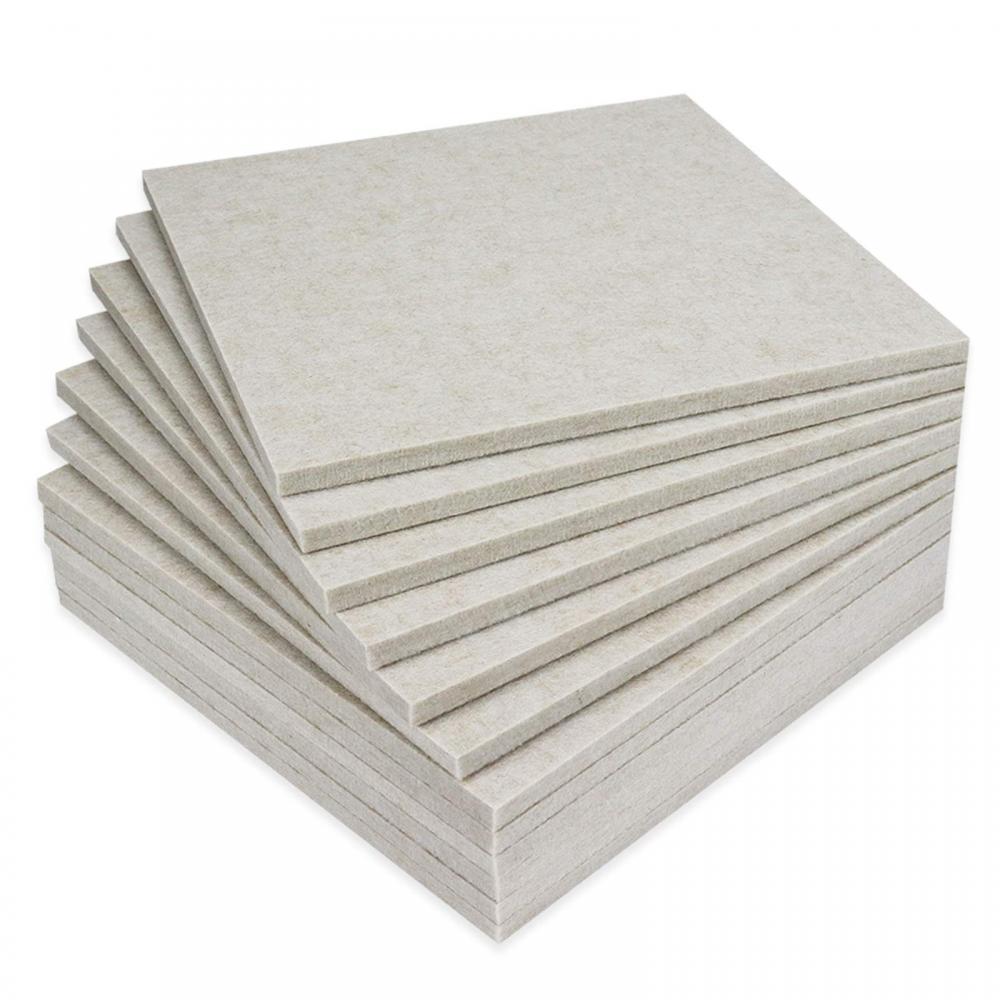
In conclusion, cleaning and maintaining PET acoustic panels, 3D acoustic panels, and polyester acoustic panels is relatively simple and straightforward. Regular dusting, vacuuming, spot cleaning, and occasional deep cleaning will keep the panels looking their best and ensure they continue to perform effectively in controlling sound and improving room acoustics. By following these cleaning methods and avoiding harsh chemicals, you can extend the lifespan of your PET acoustic panels while preserving their appearance and acoustic benefits.