

One of the most frequently asked questions about PET acoustic panels, also known as 3D acoustic panels or polyester acoustic panels, is whether they can effectively reduce sound transmission between rooms or spaces. Whether in a commercial, residential, or industrial environment, controlling sound transmission is key to creating a comfortable, functional space. In this article, we explore how PET acoustic panels can help mitigate noise transmission and enhance the overall acoustic quality of your environment.
What is Sound Transmission and Why Does It Matter?
Sound transmission refers to the passage of sound waves from one space to another through walls, floors, ceilings, and other building materials. This can lead to unwanted noise disturbance between rooms, whether it's traffic noise from the street, conversation between offices, or noise from appliances and machinery. Excessive sound transmission can reduce privacy, create distractions, and contribute to a less comfortable atmosphere.
When considering solutions for noise control, it’s important to understand that soundproofing and sound absorption are different. Soundproofing prevents sound from traveling through structures, while sound absorption reduces the amount of sound that bounces around within a space. PET acoustic panels, with their unique material properties, are primarily designed for sound absorption, but they can also help reduce sound transmission to a certain extent.
How PET Acoustic Panels Help Reduce Sound Transmission
While PET acoustic panels are not specifically designed to block sound transmission in the same way that mass-loaded vinyl or thick drywall might, they do play a significant role in reducing the overall sound energy in a space. Here’s how 3D acoustic panels and polyester acoustic panels can help:
1. Absorbing Sound Within the Room
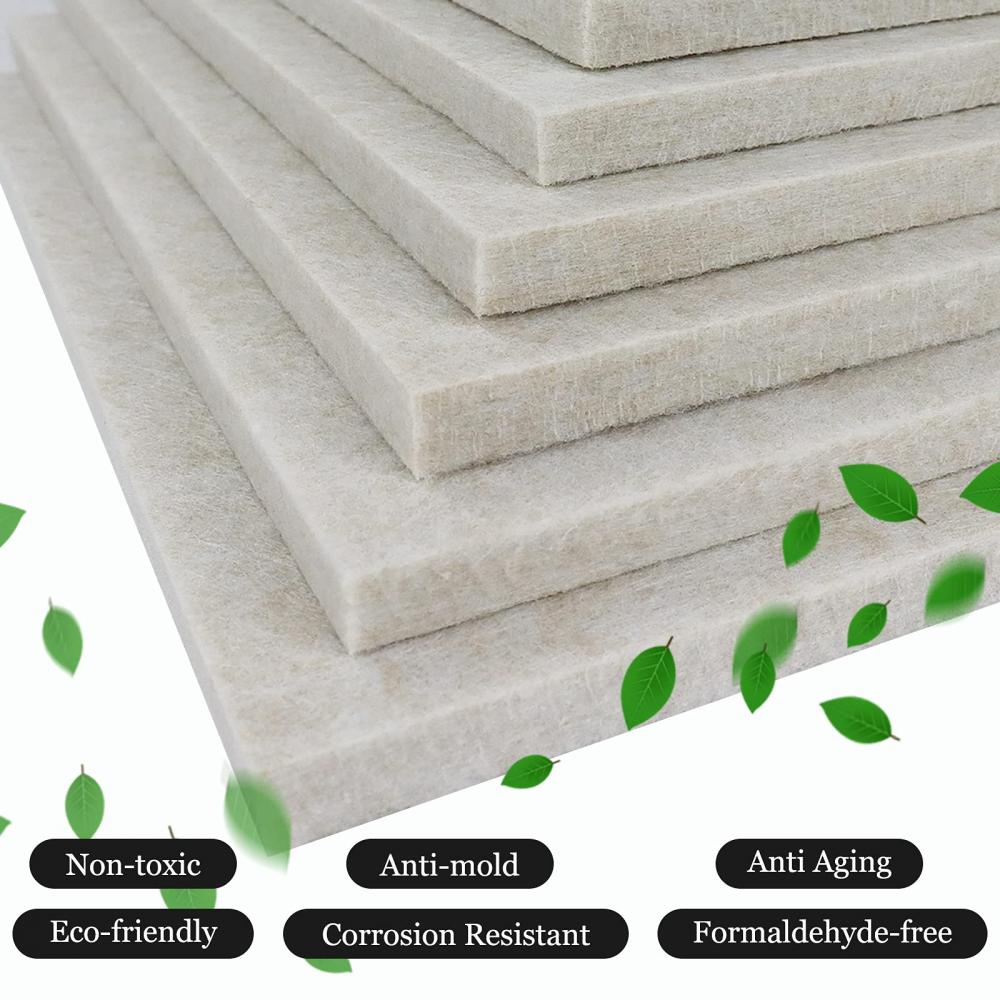
PET acoustic panels are made from polyester fibers, which are excellent at absorbing mid to high-frequency sounds. By absorbing sound waves that would otherwise reflect off hard surfaces, these panels help reduce the overall noise level within a room. In turn, this reduces the chances of sound escaping into adjoining spaces or traveling through walls and ceilings.
- Key Benefit: While they don’t block sound entirely, they reduce the amount of sound energy that can bounce off surfaces, making the space quieter overall. This can help reduce noise leakage through walls and ceilings, especially in more open-plan layouts.
2. Reducing Sound Reflection
Large, flat surfaces like bare walls, windows, and floors can reflect sound waves, amplifying noise levels and increasing the chances of sound transferring into adjacent rooms. By installing PET acoustic panels on these surfaces, you can reduce sound reflection, which indirectly minimizes sound transmission through the building structure. This is especially beneficial in spaces where conversations, meetings, or multimedia content need to be contained within a specific area.
- Key Benefit: 3D acoustic panels provide an effective way to break up sound waves and disperse them, preventing them from traveling through walls or ceilings.
3. Improving Room Acoustics
Polyester acoustic panels are highly effective at improving room acoustics by controlling reverberation. In large, echo-prone environments such as gyms, auditoriums, or halls, PET acoustic panels can significantly reduce the amount of echo, which in turn prevents sound from leaking into neighboring rooms. The more controlled the acoustics are within a space, the less sound will pass through partitions or other surfaces.
- Key Benefit: Better acoustic control helps minimize noise spill into surrounding areas, enhancing privacy and comfort.
When Are PET Acoustic Panels Most Effective?

PET acoustic panels are especially beneficial in reducing sound transmission in spaces where moderate sound control is needed, such as:
- Open office spaces: Where 3D acoustic panels can absorb noise from conversations and reduce distractions without fully blocking sound between rooms.
- Conference rooms: In spaces where clear speech is essential, polyester acoustic panels can reduce sound reflections and prevent noise from traveling to adjacent rooms.
- Residential spaces: Particularly in shared walls or multi-unit buildings, PET acoustic panels can reduce sound reflections within the room and limit the amount of noise that leaks through walls, improving comfort and privacy.
- Public venues: Large halls, theaters, or auditoriums can benefit from PET acoustic panels to control sound reverberation and prevent excessive noise transfer to other areas.
Limitations of PET Acoustic Panels for Sound Transmission
While PET acoustic panels are highly effective at absorbing sound and improving acoustics within a room, they do have some limitations when it comes to soundproofing. To achieve complete soundproofing or significantly reduce sound transmission between rooms, additional measures may be necessary, such as:
- Mass-loaded barriers: Adding mass to walls, floors, or ceilings can prevent sound from passing through.
- Double-glazed windows: To reduce sound transmission through windows, double-glazing can offer better noise control.
- Sealant around openings: Gaps around doors, windows, and ducts can allow sound to leak through, so proper sealing can improve overall sound isolation.
Conclusion
In conclusion, PET acoustic panels, 3D acoustic panels, and polyester acoustic panels are an effective solution for reducing sound transmission in spaces by absorbing sound and controlling reverberation. While they may not fully block sound like specialized soundproofing materials, their ability to reduce sound reflections and noise within a room helps mitigate sound leakage to neighboring spaces.
For spaces where noise control is critical, combining PET acoustic panels with other soundproofing methods can lead to a quieter, more comfortable environment. Whether in an office, home, or public venue, PET acoustic panels offer a stylish and functional solution to improve acoustics and reduce unwanted noise transmission.