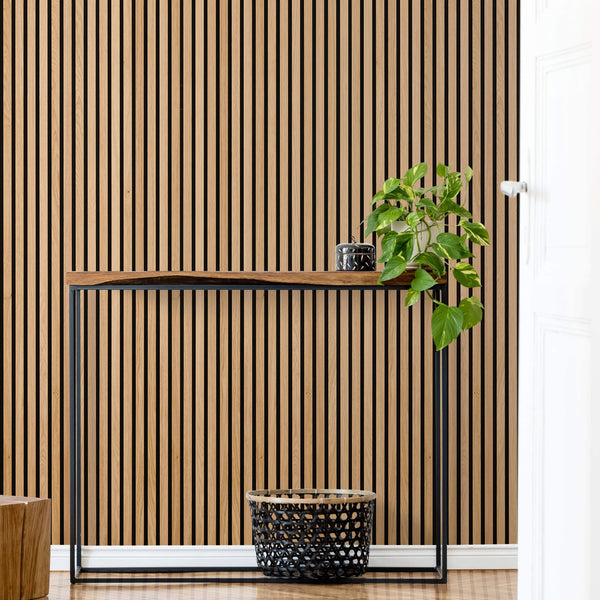
As mold growth can be a significant concern in humid or moisture-prone environments, understanding whether wood slat panels offer mold resistance is crucial for ensuring long-lasting performance and maintaining healthy indoor air quality. Whether you’re working with Real Wood Slat Panels or 3 Sides Veneer Wood Slat Panels, mold resistance is a key factor to consider when selecting materials for your interior design.
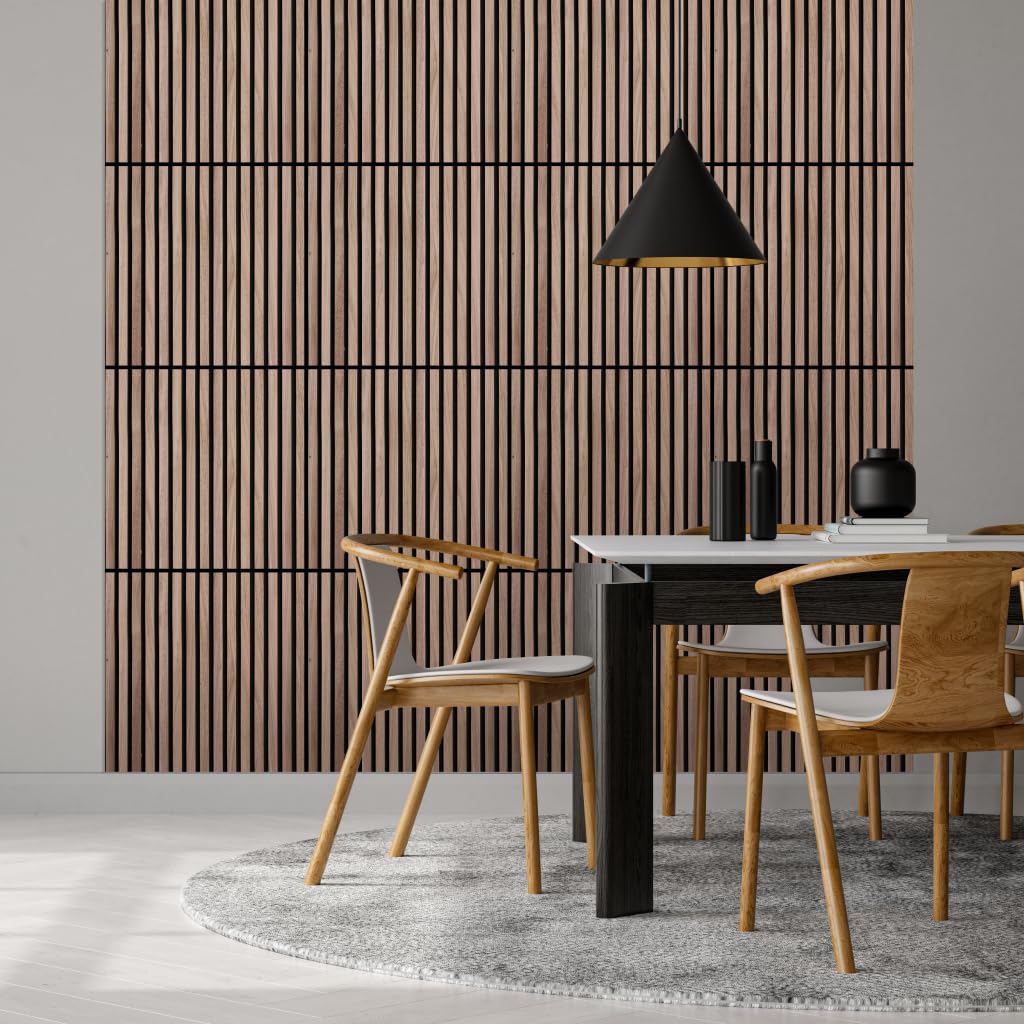
Mold Resistance in Wood Slat Panels
Wood slat panels are often favored for their aesthetic appeal and acoustic benefits, but when it comes to moisture, wood products can be more vulnerable to mold and mildew growth. Natural wood, including the veneer used in Real Wood Slat Panels, is hygroscopic, meaning it absorbs moisture from the air. If wood slat panels are exposed to high humidity or water over time, they may become prone to mold growth, particularly in damp environments such as bathrooms or basements.
However, it’s important to note that not all wood products are equally susceptible to mold. When selecting wood slat panels, it’s essential to consider the type of wood used, as some species are more resistant to mold than others. Additionally, 3 Sides Veneer Wood Slat Panels, where wood veneer is applied over a core material such as MDF or PET, may also require special care in mold-prone areas.
How PET Acoustic Panels Help
In many wood slat panels, a core material like PET acoustic panels is used for sound absorption. PET (Polyethylene Terephthalate) is a moisture-resistant material, and unlike natural wood, it does not absorb moisture. This helps mitigate the overall mold risk in wood slat panels that incorporate PET as part of the design. PET’s moisture resistance ensures that the acoustic properties of the panels are not compromised by environmental factors like humidity.
Mold Resistance Treatment for Wood
While PET acoustic panels can reduce the likelihood of mold growth, the wood veneer or slats in Real Wood Slat Panels may still require additional treatment to protect them from mold. Manufacturers often apply mold-resistant finishes to wood surfaces to enhance their durability and resistance to moisture. These treatments can help to prevent the growth of mold and mildew by creating a protective barrier that limits moisture absorption.
Another option is using engineered wood or moisture-resistant MDF as a base for wood slat panels. Engineered wood products are generally more stable and less prone to mold growth than natural wood, as they are manufactured with moisture-resistant adhesives and materials.
To ensure mold resistance in wood slat panels, consider the following:
1. Protective Coatings: Applying mold-resistant coatings to the surface of the wood slats can help prevent moisture absorption and mold growth.
2. Ventilation: Proper ventilation is crucial in spaces where wood slat panels are installed. Humid environments should be well-ventilated to prevent excess moisture buildup, which could contribute to mold formation.
3. Humidity Control: Maintaining a stable indoor climate with controlled humidity levels can reduce the risk of mold growth. Dehumidifiers or air conditioning units can be used in areas prone to dampness.