

What Causes Fading in Acoustic Panels?
Fading in materials, especially textiles and colors, is often caused by exposure to ultraviolet (UV) light, heat, and general wear and tear. Over time, prolonged exposure to sunlight or artificial lighting can break down the pigments used in the coloring process, leading to a gradual loss of vibrancy. However, the level of fading depends on several factors, including the material itself, the quality of the dyes used, and how the panels are maintained.
Do PET Acoustic Panels Fade?
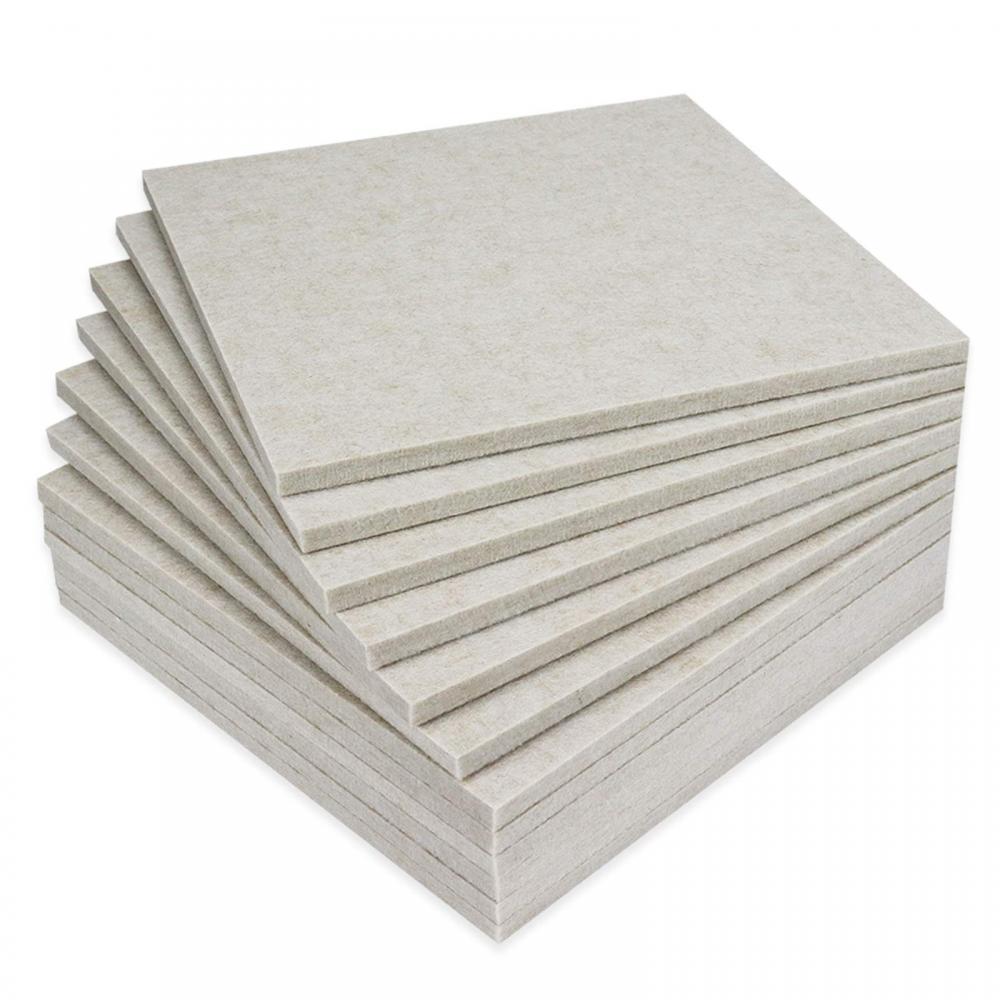
PET acoustic panels are made from polyester, a material known for its durability and resistance to fading. Thanks to the high-quality pigments used in their production and the inherent properties of the polyester fiber, polyester acoustic panels are less prone to fading compared to other types of materials. The synthetic fibers are designed to retain color even under exposure to light and heat, making them a long-lasting solution for interior design and acoustic treatment.
UV Resistance and Durability of Polyester Acoustic Panels
One of the reasons 3D acoustic panels made from polyester are so reliable is their UV resistance. The materials used in the manufacturing of PET acoustic panels are engineered to withstand UV exposure without significant color degradation. While no material is entirely impervious to the effects of sunlight, PET acoustic panels are highly resistant to fading, even with regular exposure to light in indoor environments. This makes them an excellent choice for spaces with large windows or areas exposed to artificial lighting.
How to Prevent Fading in Acoustic Panels
Although PET acoustic panels are designed to resist fading, there are a few simple practices to ensure they maintain their vibrant colors over time:
- Avoid direct sunlight: While the panels are UV-resistant, it’s always a good idea to avoid direct, prolonged exposure to sunlight. Installing polyester acoustic panels away from windows or using window treatments like blinds or curtains can help minimize exposure.
- Use energy-efficient lighting: Incandescent lights can emit more heat, which may contribute to fading over time. Switching to energy-efficient LED lighting can reduce this risk.
- Regular cleaning and maintenance: Dust and dirt buildup can contribute to the deterioration of colors. Keeping the panels clean with gentle dusting or vacuuming will ensure they remain in good condition for years.
Conclusion
In summary, PET acoustic panels, 3D acoustic panels, and polyester acoustic panels are designed to be durable and resistant to fading, making them a reliable choice for long-term acoustic treatment and design. Thanks to their UV-resistant properties and high-quality construction, these panels retain their color even with regular exposure to light. Whether used in offices, homes, or commercial spaces, PET acoustic panels will continue to deliver both aesthetic appeal and superior acoustic performance without significant fading, ensuring they stay vibrant and effective for years to come.
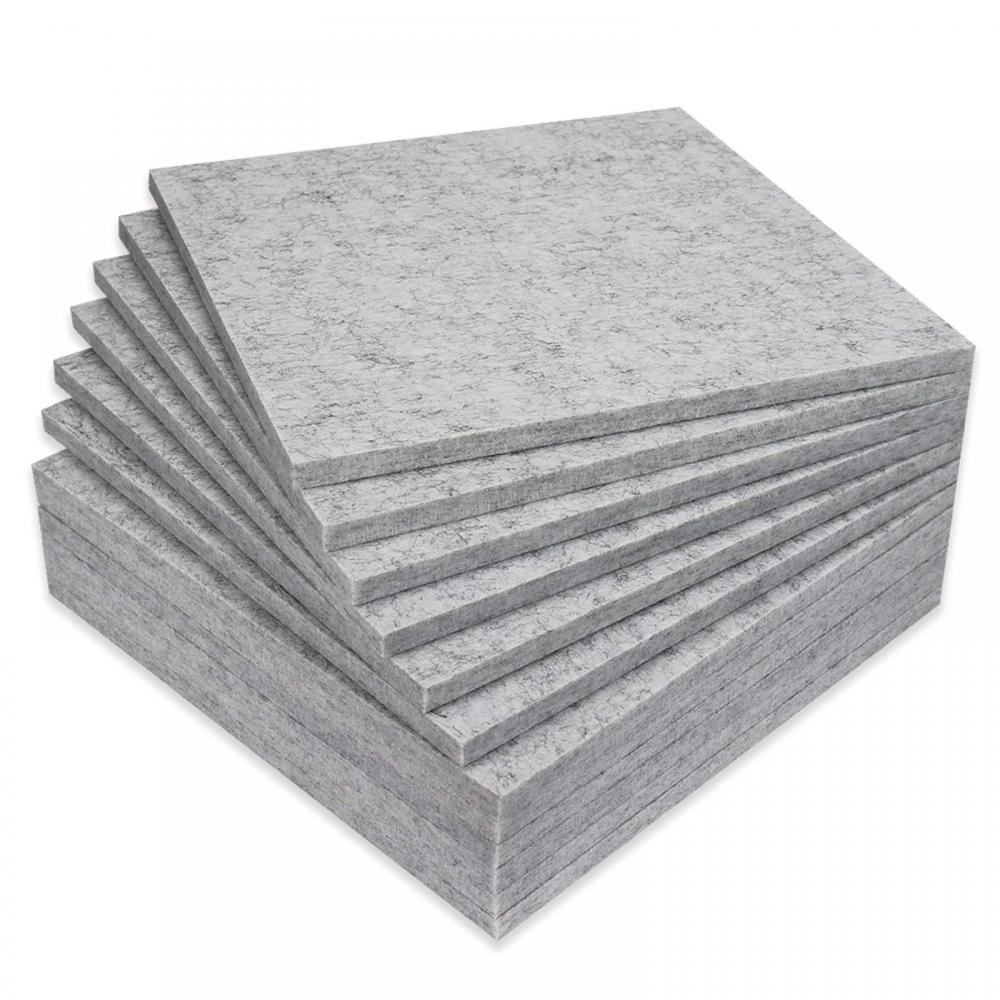
So, rest assured, your PET acoustic panels will maintain their beauty and functionality over time—allowing you to enjoy both the aesthetic and acoustic benefits of these innovative panels for many years.