

As wood slat panels, including real wood slat panels and three-sided veneer wood slat panels, gain popularity for their aesthetic appeal and acoustic benefits, many homeowners and designers are curious about their environmental impact and safety. A common concern is whether these panels could release harmful gases or chemicals into the indoor air. Given the increasing awareness of indoor air quality, it's essential to understand the materials used in wood slat panels and their potential effects on health.
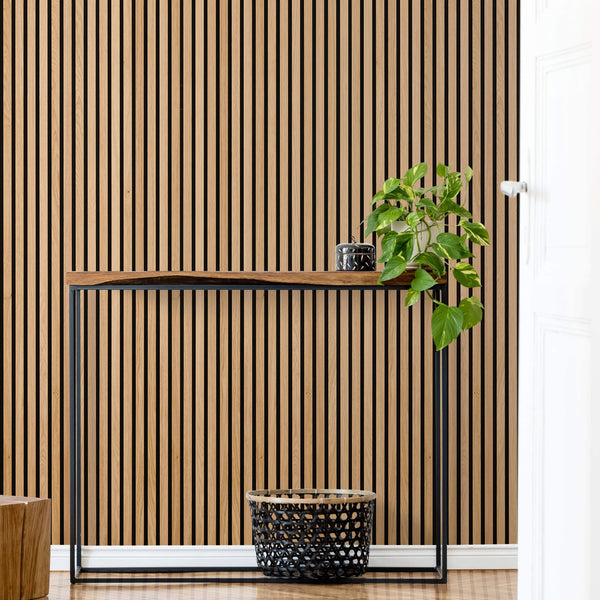
Real Wood Slat Panels: A Natural, Safe Option
Real wood slat panels are made from solid wood, a natural material that is generally safe for indoor environments. Wood, by its very nature, does not release harmful gases unless treated with toxic chemicals during manufacturing or finishing processes. High-quality real wood slat panels are typically sourced from sustainable forests and are often finished with non-toxic stains or clear coatings. These finishes not only enhance the wood's appearance but also help protect it from wear and moisture, without compromising air quality.
However, it's important to note that some low-quality wood products may be treated with harmful chemicals, such as formaldehyde-based adhesives, which could potentially emit volatile organic compounds (VOCs) over time. To ensure that real wood slat panels are safe, always choose products from reputable manufacturers that prioritize eco-friendly, non-toxic finishes and certifications such as GREENGUARD Gold, which ensures minimal chemical emissions.
Veneer Wood Slat Panels: Safe and Stable
Three-sided veneer wood slat panels, which are made with a thin layer of natural wood applied to a substrate like MDF (Medium Density Fiberboard) or plywood, can also be safe, provided the materials used are of high quality. The veneer layer itself does not release harmful gases. However, the substrate beneath the veneer, such as MDF, may contain formaldehyde-based resins, which are known to emit VOCs, especially if the panels are not properly sealed or treated.
Leading manufacturers of veneer wood slat panels often use low-emission MDF or other eco-friendly substrates that meet strict health and safety standards. Again, it's important to select veneer panels that have been certified for low VOC emissions. These certifications help ensure that the panels do not contribute to indoor air pollution or pose a health risk over time.
Choosing Safe Wood Slat Panels for Your Space
To avoid any concerns about harmful emissions, it is essential to carefully choose wood slat panels that prioritize safety and sustainability. Look for products that are:
1. Certified for low VOC emissions – This includes certifications like GREENGUARD or CARB (California Air Resources Board).
2. Finished with non-toxic paints and coatings – Opt for panels with eco-friendly, water-based finishes that don't release harmful fumes.
3. Sourced from sustainable materials – Ensure the wood comes from responsibly managed forests to reduce environmental impact.

Conclusion
When chosen carefully, wood slat panels—whether real wood slat panels or three-sided veneer wood slat panels—are a safe and healthy choice for enhancing both the aesthetics and acoustics of a space. By selecting panels with non-toxic finishes and low-emission materials, you can enjoy the beauty of wood while maintaining a safe and healthy indoor environment free from harmful gases.