

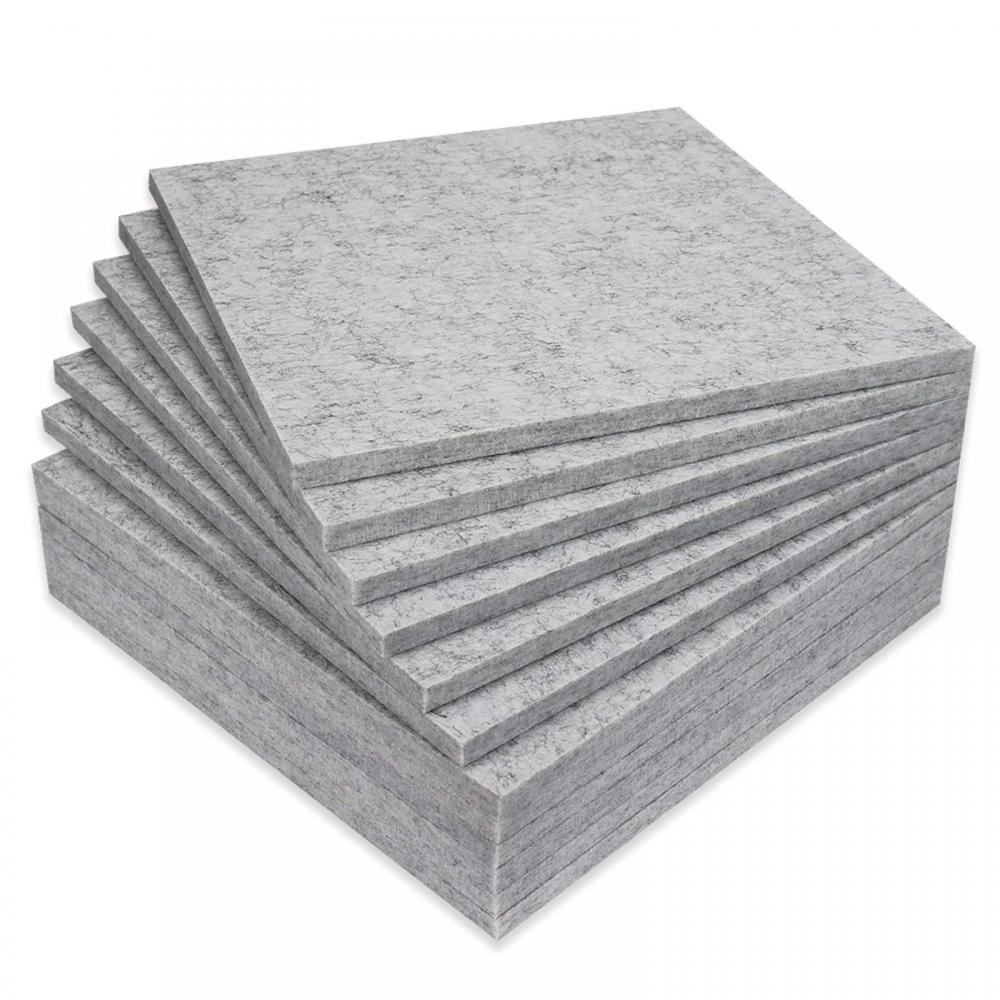
As the world continues to prioritize environmental sustainability and indoor air quality, the materials used in interior design and construction play a key role in shaping healthier, more sustainable spaces. One such material is PET Acoustic Panels, which are increasingly being chosen for their exceptional sound-absorbing qualities, aesthetic versatility, and environmental benefits. But beyond acoustic performance, many are asking: Are PET Acoustic Panels resistant to pollution? The answer lies in the unique properties of the material itself and how it interacts with the surrounding environment.
Material Composition and Pollution Resistance
PET Acoustic Panels are made from polyester fibers, a synthetic material that is known for its durability, resistance to wear, and ease of maintenance. Polyester is inherently a non-porous material, meaning it does not easily absorb dust, dirt, or moisture. This characteristic makes polyester acoustic panels more resistant to environmental pollutants compared to other materials that are more susceptible to staining, mildew, or degradation over time.
In high-traffic spaces such as offices, schools, or public areas, pollution — in the form of dust, smoke, or airborne particles — can accumulate on surfaces. PET Acoustic Panels are designed to withstand these conditions, retaining their appearance and performance even in environments that may otherwise cause other materials to degrade. The ability to resist the accumulation of dirt and dust also makes them easier to clean and maintain, ensuring that they continue to perform acoustically without being compromised by pollutants.
Surface Finish and Maintenance
The surface finish of 3D Acoustic Panels made from polyester is another key factor that contributes to their resistance to pollution. These panels are often coated or treated with a finish that helps prevent pollutants from settling on the surface. As a result, the panels are not only effective in controlling sound but also more resilient in environments exposed to high levels of dust or airborne contaminants.
For example, in office spaces, where air pollution from technology and human activity is common, polyester acoustic panels help maintain a cleaner atmosphere by preventing the accumulation of particles. Their smooth, non-porous surface makes cleaning relatively simple: a quick wipe with a damp cloth is often enough to remove dust, smudges, or other debris, helping to preserve both the aesthetic appeal and functionality of the panels.
Durability in Polluted Environments
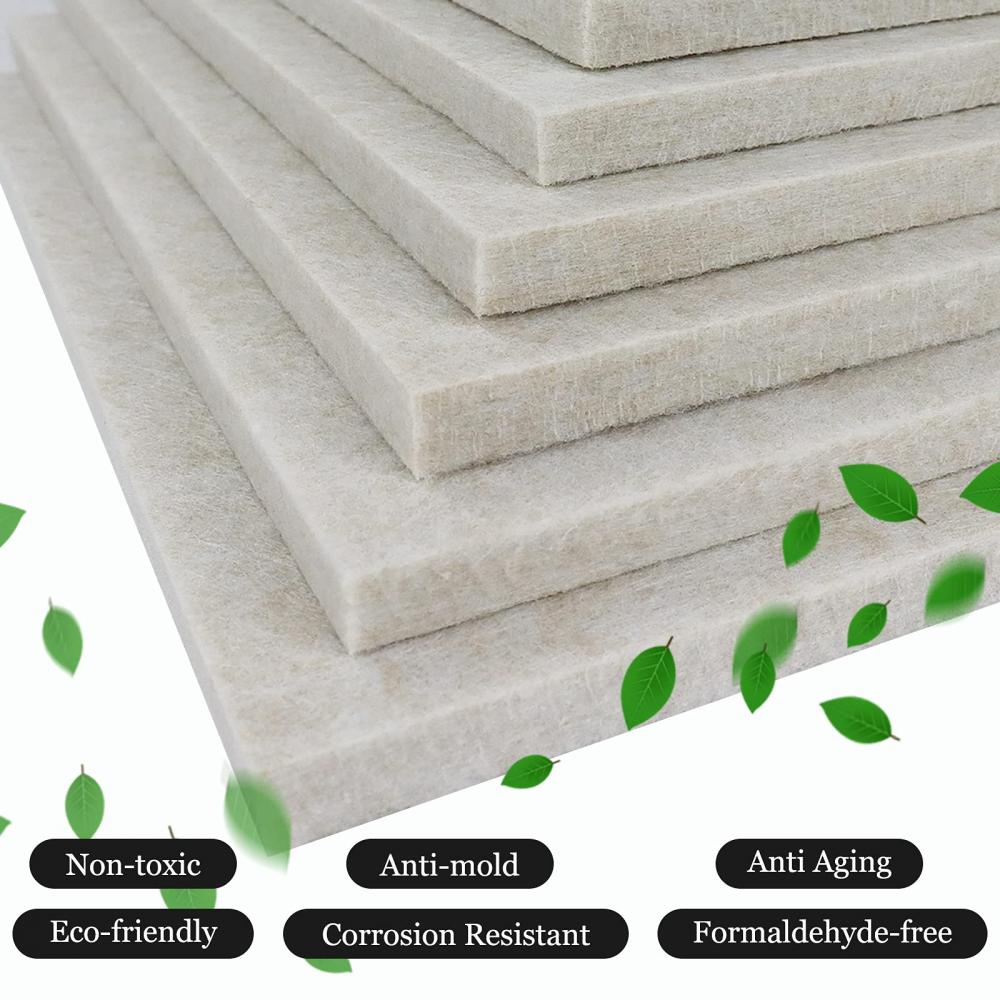
Unlike some porous acoustic materials, PET Acoustic Panels are less prone to absorbing moisture or pollutants, which can lead to mold, mildew, or other forms of damage. This makes them especially valuable in areas with higher humidity or frequent temperature fluctuations, such as basements, kitchens, or bathrooms. Polyester acoustic panels can handle these conditions better, retaining their integrity and performance over time.
Conclusion
In conclusion, PET Acoustic Panels are highly resistant to pollution, offering a durable, low-maintenance solution for interior spaces. Their non-porous nature and ability to resist dust, dirt, and moisture make them ideal for environments exposed to higher levels of pollution. Whether used in commercial settings, residential homes, or public spaces, these panels not only enhance acoustic performance but also maintain a cleaner, healthier indoor environment. For those seeking a practical, sustainable solution to both noise and pollution management, polyester acoustic panels provide an effective and aesthetically pleasing option.