

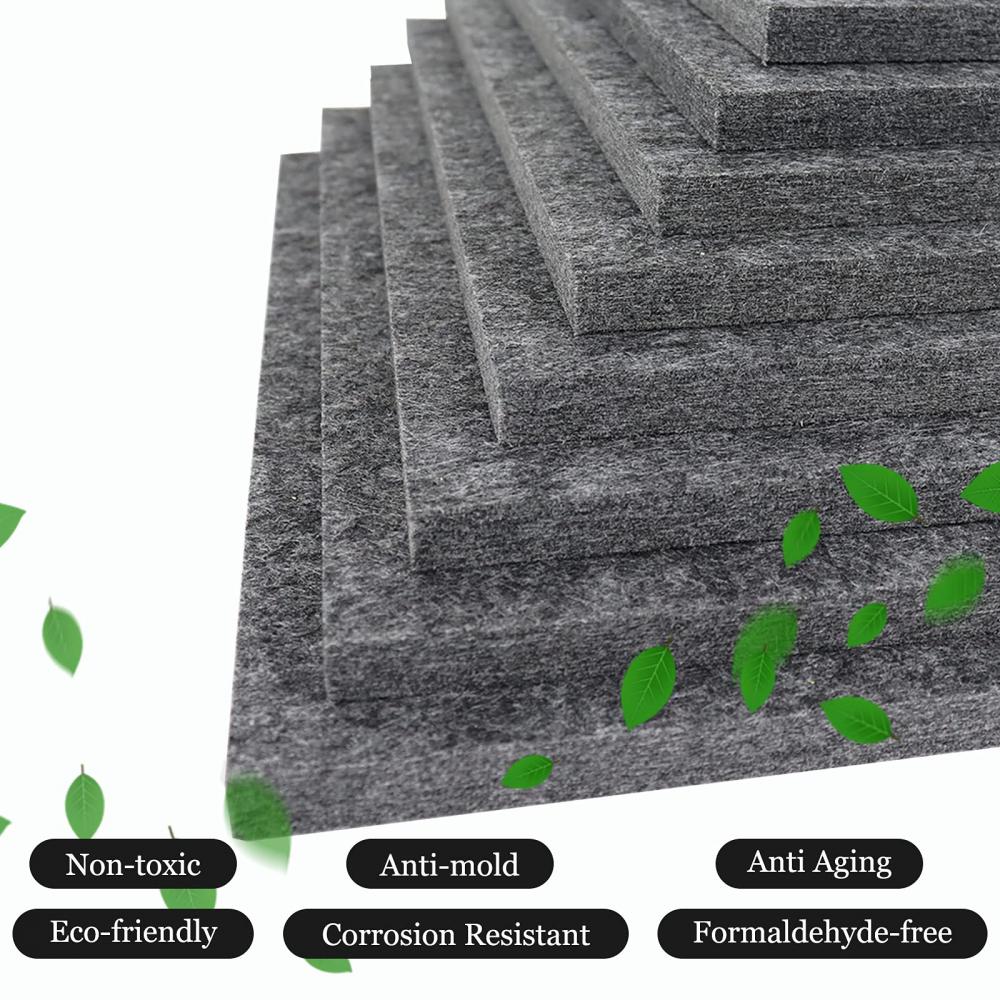
As the demand for environmentally friendly building materials continues to rise, PET Acoustic Panels are emerging as a standout choice for both sustainable construction and effective sound management. One of the key questions that often arises when considering these panels for interior design or commercial applications is: Are PET Acoustic Panels recyclable? The answer is a resounding yes — these innovative panels offer a high degree of sustainability, not only through their performance but also in their end-of-life recyclability.
The Material: Recycled Polyester
At the heart of PET Acoustic Panels lies polyester, a material that has gained significant attention in the world of eco-conscious design. Unlike conventional plastic-based products, polyester acoustic panels are made from recycled PET (Polyethylene Terephthalate) bottles and fibers, which already makes them an environmentally friendly choice from the start. This means that not only are they produced using recycled materials, but the panels themselves can also be recycled after their use, contributing to a circular economy.
When the time comes to replace or repurpose the 3D Acoustic Panels, the material can be collected and processed for recycling. This reduces waste and minimizes the impact on landfills, making polyester acoustic panels a sustainable option for modern architecture.
Recycling Process for PET Acoustic Panels
Recycling PET Acoustic Panels is relatively straightforward. The polyester fibers that make up the panels can be melted down and repurposed into new products, ranging from additional acoustic panels to textiles, insulation, or even new plastic containers. This means that the environmental footprint of polyester acoustic panels is significantly lower than that of traditional, non-recyclable materials commonly used in construction.
The process typically involves separating any adhesives, coatings, or additional elements that might have been used in the panel’s design. Once cleaned, the polyester material can be shredded, melted, and reformed into new polyester products. Given the ongoing improvements in recycling technologies, the process for recycling PET Acoustic Panels is becoming increasingly efficient, allowing for more of the material to be reused rather than discarded.
Sustainability in Acoustics
As sustainability becomes an essential part of modern building practices, choosing materials that can be recycled is more important than ever. 3D Acoustic Panels, made from recycled polyester fibers, help address the growing concern over waste in the construction industry by providing a product that not only performs well acoustically but also aligns with sustainable building standards.
By incorporating PET Acoustic Panels into your interior design or construction projects, you are supporting the use of eco-friendly materials that contribute to a circular economy. These panels offer the dual benefit of enhancing room acoustics while also being an environmentally responsible choice for building and renovation projects.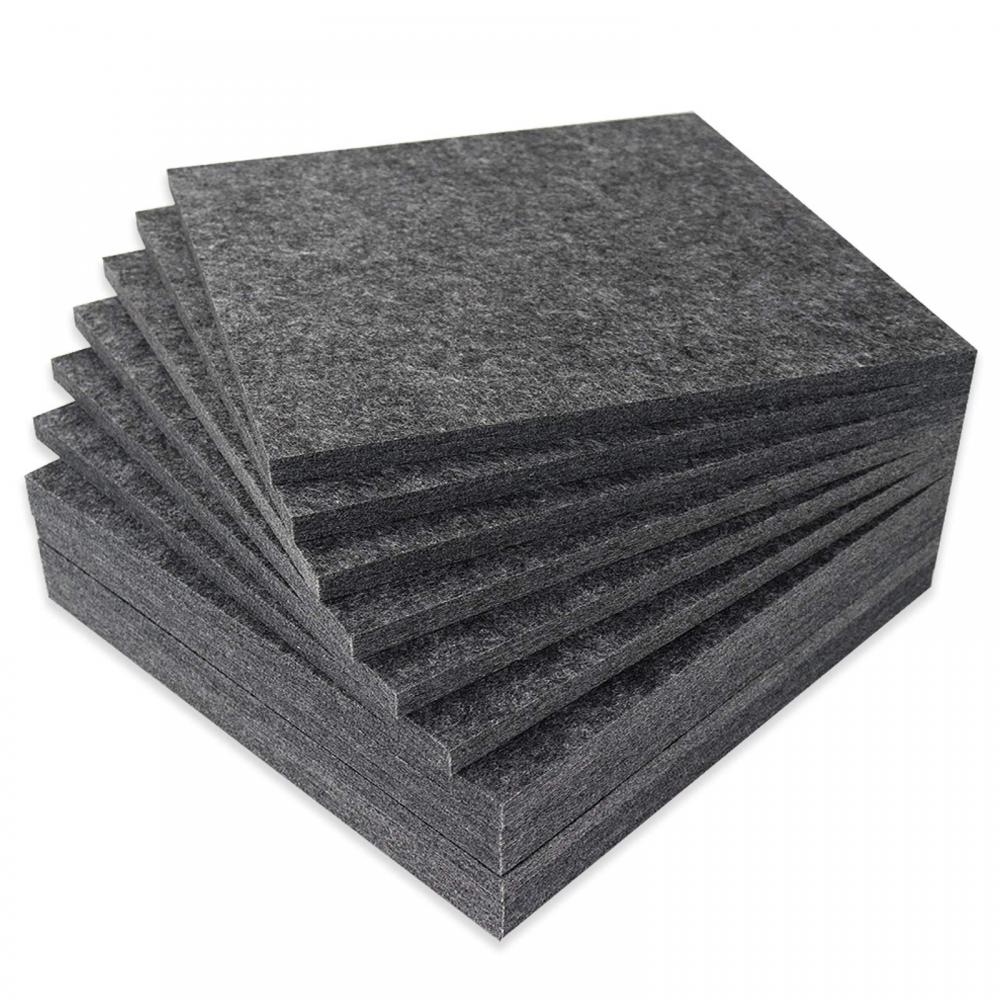
Conclusion
In conclusion, PET Acoustic Panels offer an excellent combination of high acoustic performance and recyclability, making them a top choice for environmentally conscious architects, designers, and homeowners. With their ability to be recycled at the end of their lifespan, polyester acoustic panels not only meet the demands of modern noise management but also align with the growing need for sustainable, circular products in the construction and design industries. As more people turn to green solutions, PET acoustic panels represent a step forward in reducing environmental impact while improving indoor sound quality.