

When choosing materials for interior design, the longevity of a product’s aesthetic appeal is a top concern. One important question for wood slat panels, including Real Wood Slat Panels and 3 Sides Veneer Wood Slat Panels, is whether the material is prone to color fading or discoloration over time.
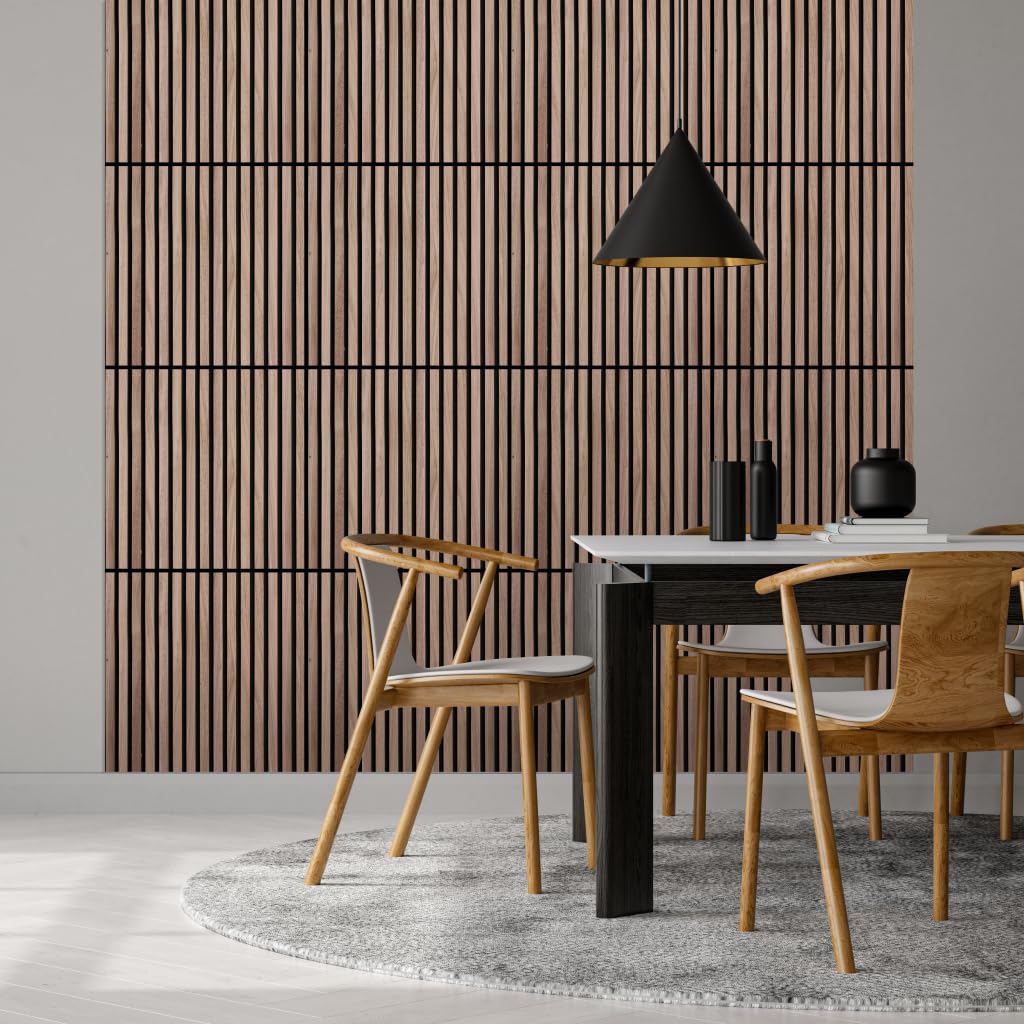
Natural Wood and Its Color Stability
Real Wood Slat Panels offer the warmth and beauty of natural wood, which makes them highly desirable for a variety of design aesthetics. However, natural wood is inherently susceptible to color changes as it ages. Over time, exposure to sunlight, humidity, and other environmental factors can cause the wood to darken or yellow. This natural aging process can enhance the charm of wood but may not always be desired by those looking to maintain a consistent look.
To prevent excessive discoloration, Real Wood Slat Panels are often treated with protective coatings, such as UV-resistant lacquers, oils, or varnishes. These finishes help to protect the wood from the harmful effects of UV rays, which are a primary cause of color fading in natural wood products.
Veneer and Color Stability in 3 Sides Veneer Wood Slat Panels
In 3 Sides Veneer Wood Slat Panels, where the veneer layer is applied over a core of MDF or PET, the veneer is typically designed to maintain its color and finish over time. However, like natural wood, the veneer may also experience some fading, particularly in areas exposed to direct sunlight or intense light sources. The underlying MDF or PET core, however, remains unaffected by such exposure, maintaining its original properties even as the veneer’s color may subtly change.
Manufacturers of 3 Sides Veneer Wood Slat Panels often apply UV inhibitors or protective finishes to both the veneer and core, helping to preserve the panel’s color and overall appearance. This can significantly extend the longevity of the panels’ aesthetic qualities.
PET Acoustic Panels and Color Retention
For wood slat panels that incorporate PET acoustic panels, the core material—PET (Polyethylene Terephthalate)—is highly stable and not prone to color changes. PET does not discolor easily, making it an excellent choice for maintaining consistent color in wood slat panels that are exposed to regular light and air. This makes PET a great complement to wood veneers, offering long-term color retention alongside the acoustic benefits of the panel.
Factors That Influence Color Fading
Several factors can affect the color stability of wood slat panels, including:
1. Exposure to Direct Sunlight: UV rays from the sun are a primary cause of color fading in both natural wood and veneer surfaces.
2. Indoor Lighting: Intense indoor lighting, particularly from halogen or incandescent bulbs, can also contribute to color changes over time.
3. Humidity and Environmental Conditions: Fluctuating humidity levels or extreme temperatures can cause wood to expand, contract, or change in color.
How to Protect Against Color Fading
To keep your wood slat panels looking fresh and vibrant for years, consider the following precautions:
1. UV Protection: Use UV-resistant finishes or coatings to protect the surface from sunlight and slow down the fading process.
2. Avoid Direct Sunlight: In spaces where wood slat panels are exposed to strong sunlight, consider using curtains or blinds to limit UV exposure.
3. Use Low-Impact Lighting: Consider using LED lights or other lighting options that emit less UV radiation to minimize the risk of color changes.
