

PET acoustic panels are designed to be relatively easy to maintain, but like most surfaces, they can accumulate dust over time. The material's porous nature can attract dust particles, especially in environments with high air movement or where dust levels are higher. However, the surface of PET acoustic panels is generally smooth and non-porous enough to make cleaning straightforward. Regular dusting with a soft cloth or a vacuum with a brush attachment can help maintain their appearance and ensure optimal acoustic performance. For deeper cleaning, mild soap and water can be used, but it’s important to avoid harsh chemicals that might damage the surface. Overall, while PET acoustic panels can collect dust, they are easy to clean and maintain, ensuring they continue to provide excellent sound absorption without compromising on aesthetics.
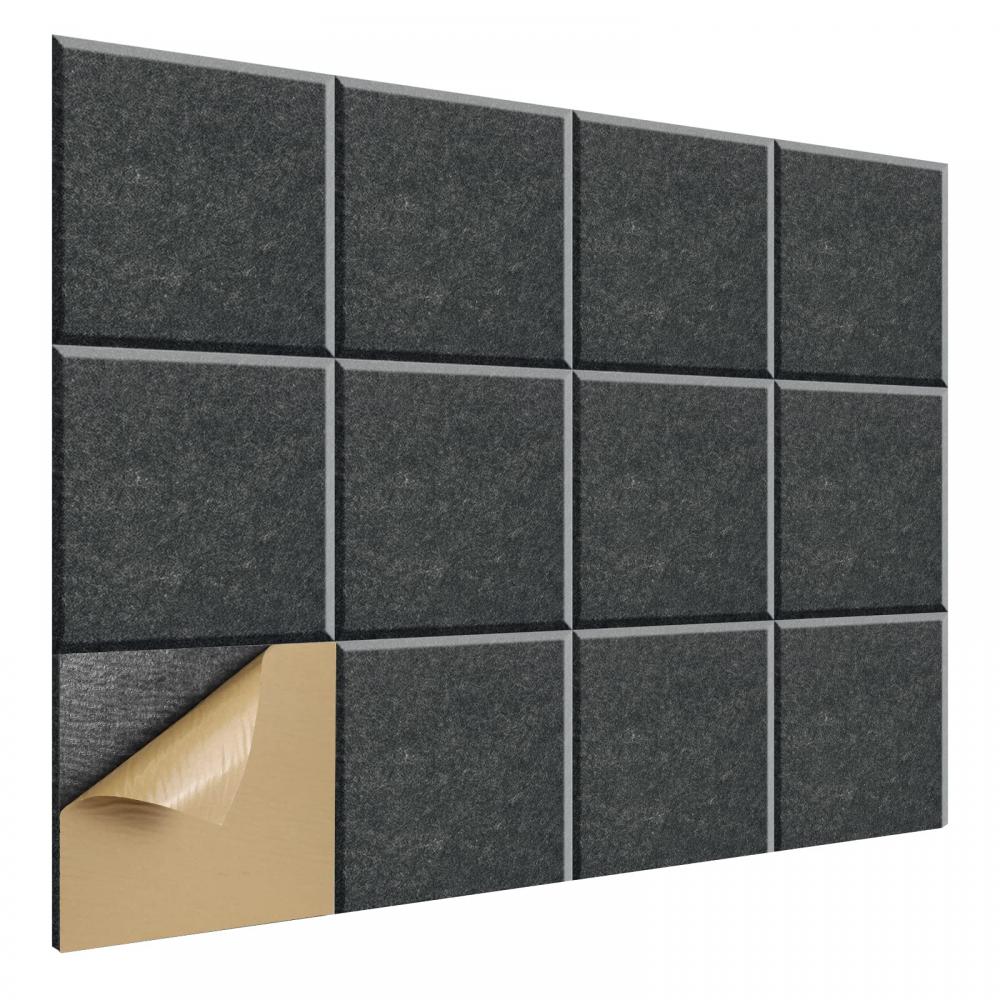

Is the Surface of 3D Acoustic Panels Prone to Dust Accumulation?
3D acoustic panels, with their intricate and textured designs, may attract more dust compared to flat acoustic panels. The depth and structure of the panels create more surface area for dust particles to settle, especially in dry or poorly ventilated spaces. However, the materials used in 3D panels, such as polyester or foam, are relatively easy to clean. Regular dusting or gentle vacuuming can help keep the surface clear of dust, while periodic deep cleaning can restore the panels to their original look. If installed in areas with high dust accumulation, it's advisable to clean them more frequently to maintain both their acoustic effectiveness and visual appeal.
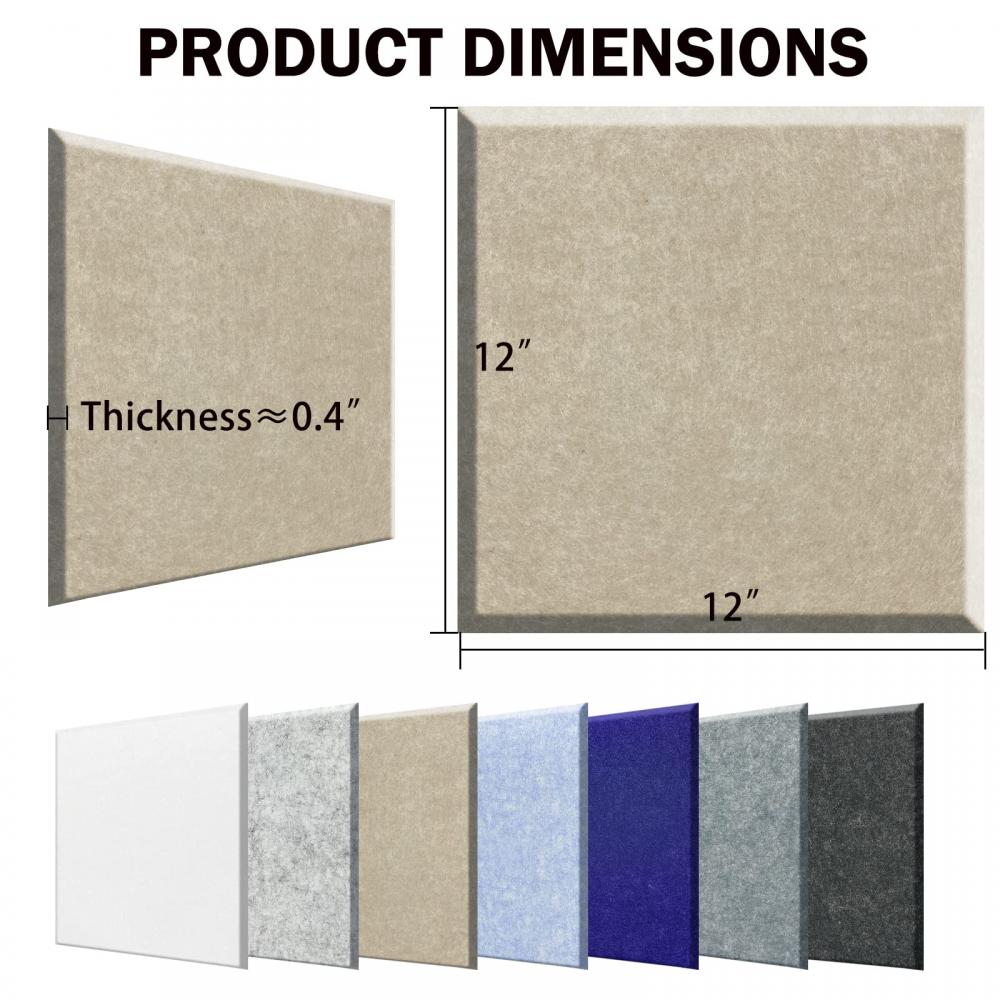
Is the Surface of Polyester Acoustic Panels Prone to Dust Accumulation?
Polyester acoustic panels can attract dust over time, particularly due to their fibrous surface. The material's texture can make dust accumulation more noticeable, but the panels are still relatively easy to clean. Regular maintenance, such as dusting with a soft cloth or using a vacuum with a soft brush attachment, can help remove dust and prevent it from affecting the panel’s performance. For more thorough cleaning, polyester acoustic panels can typically be wiped down with a damp cloth or mild soap and water. It’s important to avoid harsh chemicals, as they may damage the surface. With regular care, polyester acoustic panels can maintain both their aesthetic appeal and acoustic functionality.