

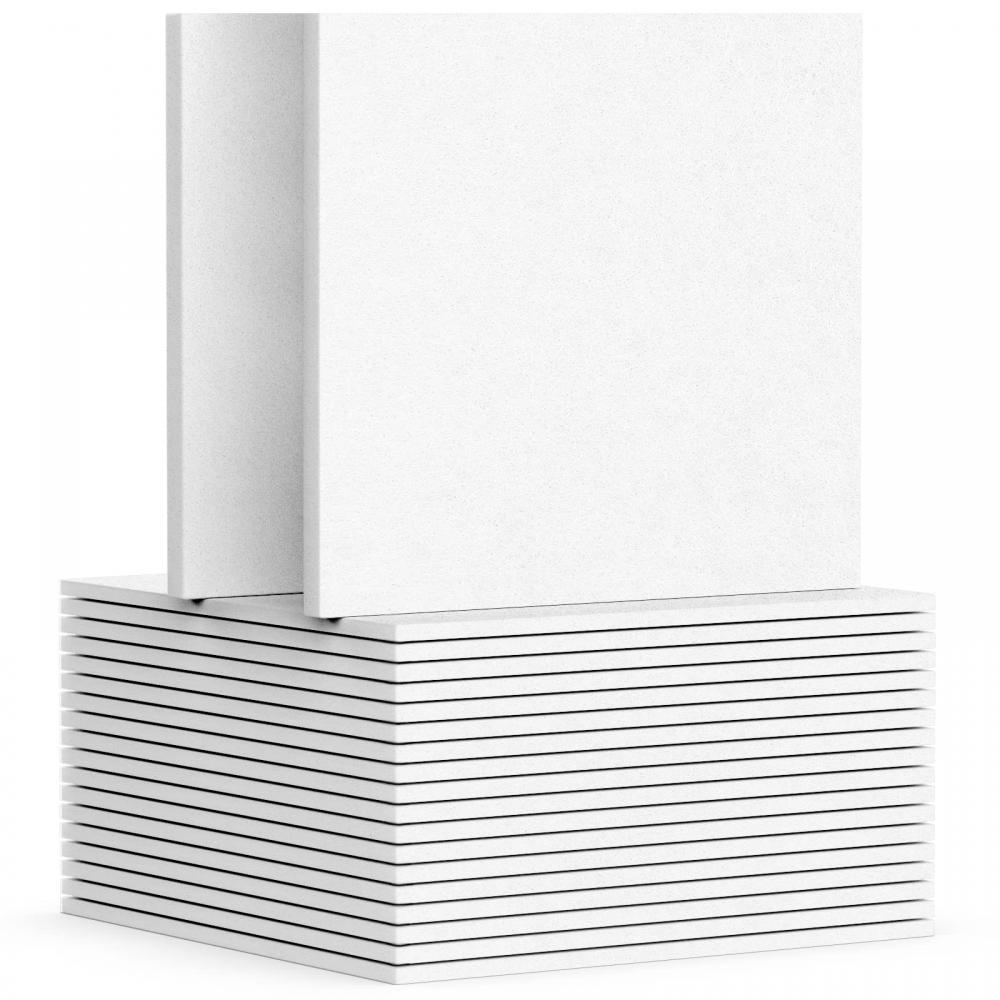
When it comes to installing PET Acoustic Panels, one of the most common questions asked by customers is whether adhesive is necessary for installation. Whether you're using standard polyester acoustic panels, 3D Acoustic Panels, or other variations, the installation process can vary depending on the type of surface, panel size, and the specific requirements of the space. Fortunately, PET Acoustic Panels offer flexible installation options, allowing for adhesive or other methods depending on the circumstances.
Adhesive Installation: A Simple and Efficient Solution
One of the most common and straightforward ways to install polyester acoustic panels is by using adhesive. PET Acoustic Panels are lightweight and designed to adhere easily to most surfaces, making adhesive installation a fast and efficient option. Adhesives specifically formulated for acoustic panels ensure a secure bond, reducing the need for additional hardware or complex installation methods. For smaller panels, or when a smooth, clean installation is desired, adhesive offers a simple solution.
The benefits of adhesive installation are clear: it is quick, clean, and ideal for walls, ceilings, or any flat surface. As long as the surface is properly prepared (clean and free of dust or grease), the adhesive will provide a strong and lasting hold. This is particularly advantageous for projects that require minimal disruption, such as in existing commercial spaces or residential environments where drilling or screws are undesirable.
Alternatives to Adhesive: Hooks, Clips, and Mounting Frames
While adhesive is an excellent option for many, it’s not the only way to install PET Acoustic Panels. For those who prefer a non-permanent or more flexible installation, mounting clips, hooks, or frames can also be used. These alternative methods are particularly beneficial for larger panels or installations that may need to be adjusted or repositioned over time. Mounting frames provide additional support and allow the panels to be easily removed or replaced without damaging the walls or leaving marks.
3D Acoustic Panels and Installation Flexibility
For 3D Acoustic Panels, which often feature more intricate shapes and textures, installation methods can vary depending on the panel design. While adhesive remains a popular choice, 3D panels may also benefit from additional support, such as clips or fasteners, to ensure a secure fit. The depth and complexity of 3D panels can sometimes make adhesive alone less effective, especially for larger or heavier installations. In such cases, a combination of adhesive and mechanical fasteners may be recommended for the best results.
Important Considerations for Installation
When installing polyester acoustic panels, it's important to consider the type of wall or ceiling surface. Smooth, dry surfaces like drywall, concrete, or wood are ideal for adhesive applications. However, for surfaces that are uneven or textured, additional methods of installation may be required to ensure a secure and stable fit. In commercial spaces or larger-scale installations, working with professional installers can ensure that the panels are properly mounted for optimal performance.

Conclusion
In summary, while PET Acoustic Panels, including 3D Acoustic Panels and polyester acoustic panels, can be installed using adhesive, the choice of installation method ultimately depends on the specific requirements of the project. Adhesive offers a quick, efficient, and clean solution for most installations, while alternative methods like clips or frames provide more flexibility for larger panels or temporary installations. No matter the method, PET Acoustic Panels offer a versatile and effective sound control solution, ensuring both ease of installation and high-performance acoustics in any space.