

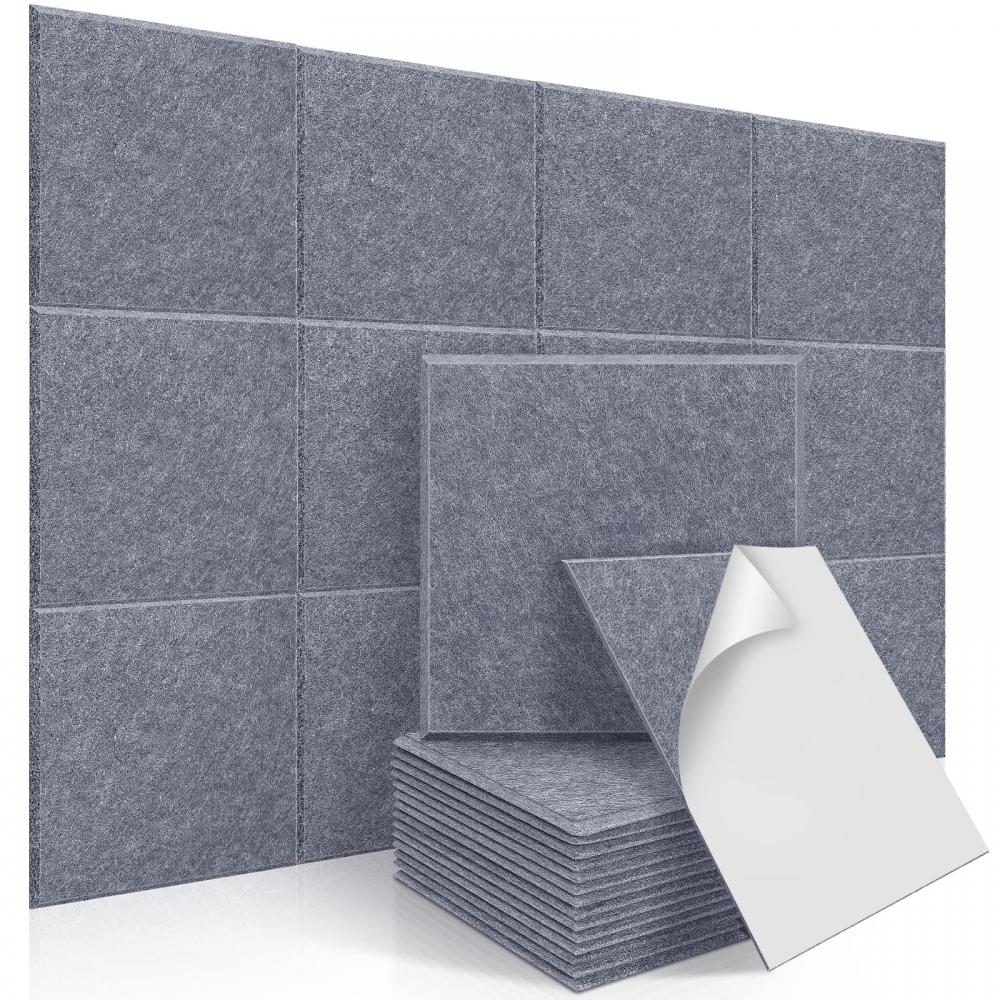
When considering the installation of PET Acoustic Panels—whether standard polyester acoustic panels, 3D Acoustic Panels, or other variations—one common concern is whether these panels will accumulate dust and require frequent cleaning. As a manufacturer of these panels, we can assure you that PET Acoustic Panels are designed to be both functional and easy to maintain, providing excellent acoustic performance while minimizing dust buildup. However, like any surface in your home or office, regular cleaning practices will ensure they continue to perform and look great over time.
Why Dust Might Collect on Acoustic Panels
All surfaces, including polyester acoustic panels, are susceptible to dust over time. Dust can accumulate due to environmental factors such as air circulation, HVAC systems, and general foot traffic. However, PET Acoustic Panels are made from high-density polyester fibers that are naturally resistant to dust buildup. The non-porous surface of these panels does not attract dust as easily as other materials, such as fabric or porous surfaces. This makes polyester acoustic panels a practical choice for maintaining a cleaner and healthier environment.
3D Acoustic Panels and Dust Collection
3D Acoustic Panels, with their textured surface, may initially seem more prone to dust accumulation due to their deeper grooves and patterns. However, these panels are also made from the same durable, dust-resistant polyester material. While their complex design may trap more particles than flat panels, regular dusting or gentle cleaning will keep them looking fresh. The added benefit of 3D panels is that their unique design helps to disguise minor dust buildup, ensuring that any accumulation is less noticeable compared to flat or smooth surfaces.
Easy Maintenance and Cleaning
One of the main advantages of PET Acoustic Panels is their low-maintenance nature. These panels can be easily cleaned with a vacuum cleaner, soft cloth, or microfiber duster, which removes dust and other particles effectively without damaging the surface. For more stubborn buildup, a damp cloth with a mild detergent solution can be used to wipe down the panels. It's important to avoid harsh chemicals or abrasive cleaning tools that could damage the panel surface.
In commercial spaces, where acoustic panels may be exposed to more dust, such as in offices, restaurants, or hotels, it is recommended to clean the panels every few months to maintain optimal acoustic performance and visual appeal. In homes, the frequency of cleaning may be less, but a regular light dusting will help keep them free of particles.
Preventing Dust Accumulation
While PET Acoustic Panels do not attract dust as much as other materials, there are steps you can take to minimize dust buildup. Installing these panels in spaces with good air circulation and proper filtration systems will help reduce airborne dust particles. Additionally, keeping the room clean and well-maintained by regularly cleaning floors, furniture, and air vents will prevent dust from accumulating on your panels.
Conclusion
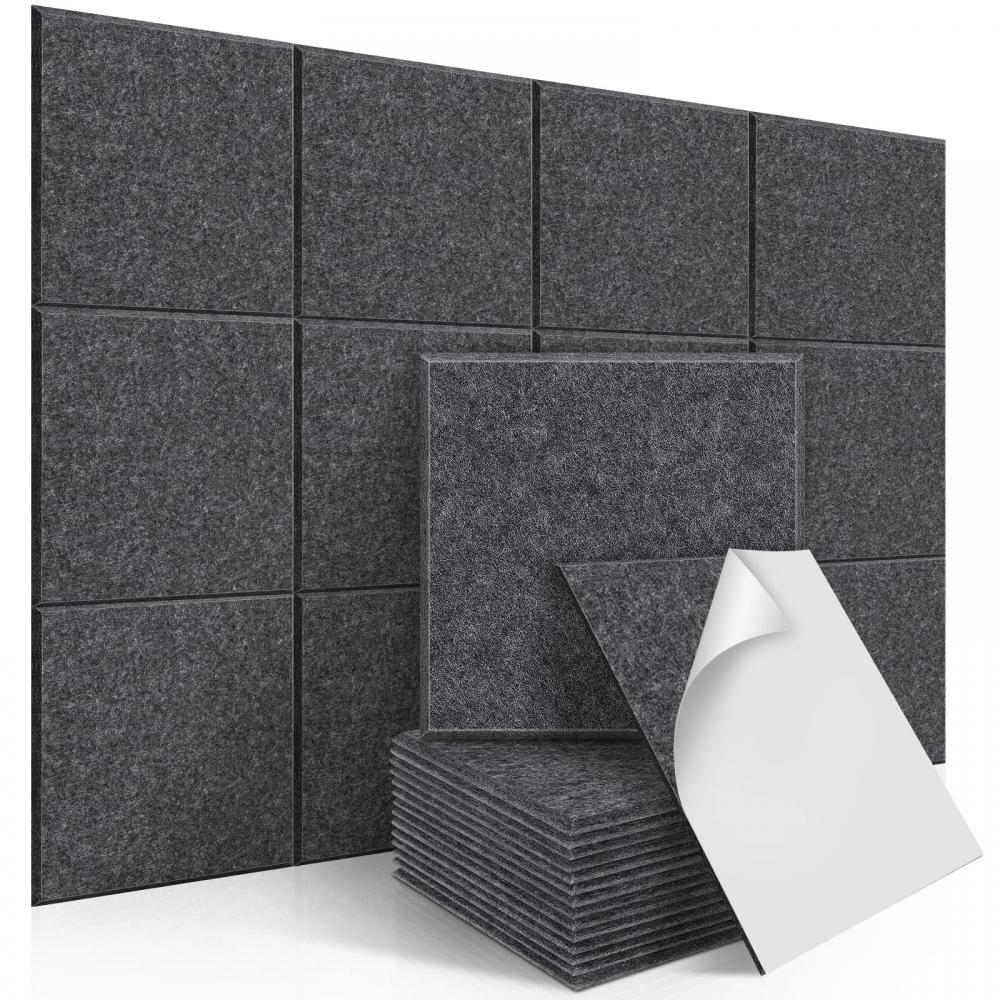
In conclusion, PET Acoustic Panels, including 3D Acoustic Panels and polyester acoustic panels, are not prone to heavy dust accumulation due to their durable, low-maintenance design. Though all surfaces will collect some dust over time, these panels are designed to resist particles more effectively than other materials. Regular cleaning with a vacuum, soft cloth, or microfiber duster is typically sufficient to keep them looking fresh. With their easy maintenance and high-performance sound absorption, PET Acoustic Panels remain an excellent choice for any space where both cleanliness and acoustic quality are important.