


As a manufacturer of PET Acoustic Panels, we understand the importance of ensuring that the materials used in our products are safe for both the environment and the people who use them. One common concern among consumers is whether the materials used in acoustic panels, such as polyester and other synthetic fibers, are toxic. The good news is that PET Acoustic Panels, including 3D Acoustic Panels and polyester acoustic panels, are made from non-toxic, environmentally friendly materials that comply with global safety standards.
What Are PET Acoustic Panels Made Of?
PET Acoustic Panels are primarily made from polyester, a synthetic polymer that is known for its durability, flexibility, and versatility. The base material used in these panels is a type of polyethylene terephthalate (PET) fiber, which is a safe and widely used material in the textile and manufacturing industries. Polyester fibers, when processed into acoustic panels, are engineered to absorb sound and improve acoustic performance without releasing harmful chemicals or toxins into the environment.
Non-Toxic and Environmentally Friendly
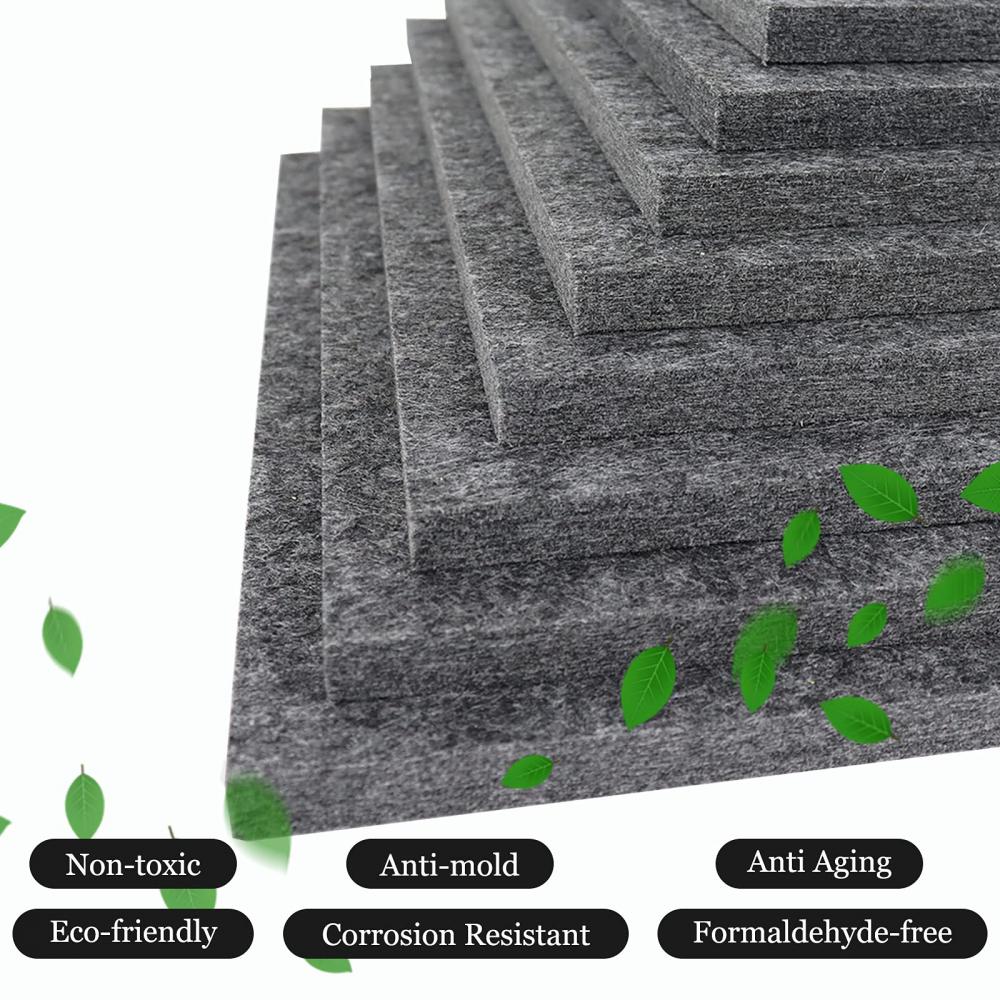
PET Acoustic Panels are non-toxic and do not contain harmful substances such as formaldehyde, heavy metals, or volatile organic compounds (VOCs), which can pose risks to human health. This makes them safe for use in a variety of environments, including homes, offices, schools, and healthcare settings. Additionally, the polyester fibers used in these panels are often derived from recycled plastic bottles, which further reduces their environmental impact.
Many PET Acoustic Panels are manufactured with environmentally friendly production processes that limit the use of harmful chemicals and ensure a safe product for both consumers and installers. They are also free from asbestos, lead, and other hazardous materials that were once common in building materials but are now widely avoided due to their health risks.
3D Acoustic Panels: Safe and Sustainable
3D Acoustic Panels, which feature textured designs for enhanced sound absorption and aesthetic appeal, are made from the same safe, non-toxic polyester material as traditional PET Acoustic Panels. The textured surface does not introduce any new health risks, and the panels are produced in compliance with industry safety standards. Whether for use in residential, commercial, or public spaces, 3D Acoustic Panels offer the same assurance of safety and non-toxicity.
Health Benefits of Using PET Acoustic Panels
Not only are PET Acoustic Panels non-toxic, but they also contribute to healthier indoor environments. By improving acoustic quality and reducing noise pollution, these panels help create spaces where people can work, study, or relax without the distractions of excessive noise. This can reduce stress and improve concentration, leading to better mental well-being, especially in environments like offices, schools, and healthcare facilities.
Additionally, PET Acoustic Panels are hypoallergenic, meaning they are unlikely to cause allergic reactions or respiratory issues, which can be a concern with certain materials that trap dust or allergens. Their smooth, dense structure prevents the accumulation of dust and particles, contributing to better air quality in the spaces where they are installed.
Conclusion
In summary, PET Acoustic Panels, including 3D Acoustic Panels and polyester acoustic panels, are made from non-toxic, safe materials that pose no risk to human health. These panels are free from harmful chemicals like formaldehyde, heavy metals, and VOCs, making them a safe choice for a variety of spaces, including homes, offices, schools, and hospitals. With their environmentally friendly production methods and hypoallergenic properties, PET Acoustic Panels not only enhance the acoustics of a room but also contribute to a healthier and safer indoor environment. Whether for residential, commercial, or public spaces, you can feel confident in using polyester acoustic panels as a safe and sustainable solution for your acoustic needs.