3D Acoustic panels versus timber acoustic panels: a lighter option for greater flexibility in space design
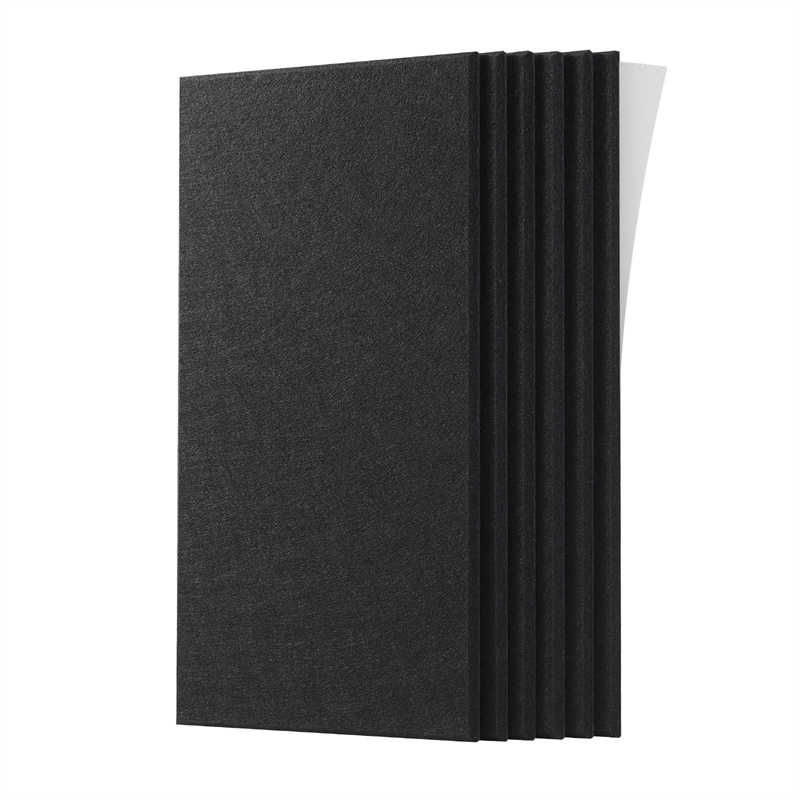
In interior design and architectural decoration, the choice of acoustic panels is an important factor affecting the acoustic and aesthetic effect of a space. Traditional timber acoustic panels are widely used in all types of interior spaces due to their natural beauty and excellent acoustic performance. However, with the development of modern design concepts, more and more designers and clients are focusing on the weight, ease of installation and flexibility of the material. In this regard, PET Acoustic panel, an innovative PET acoustic panel, is gradually becoming a strong competitor to wood acoustic panels due to its lightweight characteristics.
First of all, one of the biggest advantages of 3D Acoustic panels is their lightness. polyester acoustic panels are made of PET (polyester fiber), a material that not only provides excellent sound absorption, but is also much lighter than traditional wood materials. Specifically, the lower density of PET Acoustic panels makes them significantly lighter than wood acoustic panels for the same area. This is particularly important for spaces where large areas are required, and the lightness of 3D Acoustic panel greatly reduces labor intensity and transportation costs during installation, making installation more efficient and easier.
Secondly, the lightweight nature of PET Acoustic panels also allows for greater design flexibility. Due to their light weight, polycarbonate acoustic panels can be adapted to a wide range of installation methods and application scenarios. For example, in ceilings, walls and areas that require flexibility of movement, the lightweight nature of 3D Acoustic panels makes them ideal. In the case of timber acoustic panels, due to their heavier nature, more support and fixing measures are required for installation, and additional equipment may even be needed to ensure they are securely installed, adding to the complexity of design and construction.
Furthermore, the lightweight nature of PET Acoustic panel does not mean that it compromises on acoustics. In fact, PET Acoustic panels, through optimized PET material and structural design, can provide excellent acoustic performance comparable to timber acoustic panels, and in some cases, 3D Acoustic panels may even be more acoustically effective. Therefore, the lightweight nature of PET Acoustic panels makes them a more practical and economical choice, while at the same time guaranteeing acoustic performance.
In summary, polyester acoustic panels are lighter than traditional wood acoustic panels and offer significant advantages in terms of ease of installation and flexibility. Whether it is for commercial spaces, home renovations or office environments, 3D Acoustic panels offer customers a more efficient, flexible and competitive acoustic solution.